
Discover the hidden history of Colorado’s Moffat Tunnel—engineering marvel, burial ground, and water carved beneath the Rockies.
I didn’t expect to feel it.
That hush. That weight.
The kind of silence that doesn’t shout—it presses. Not sinister, exactly, but purposeful. Like the mountain’s holding its breath.
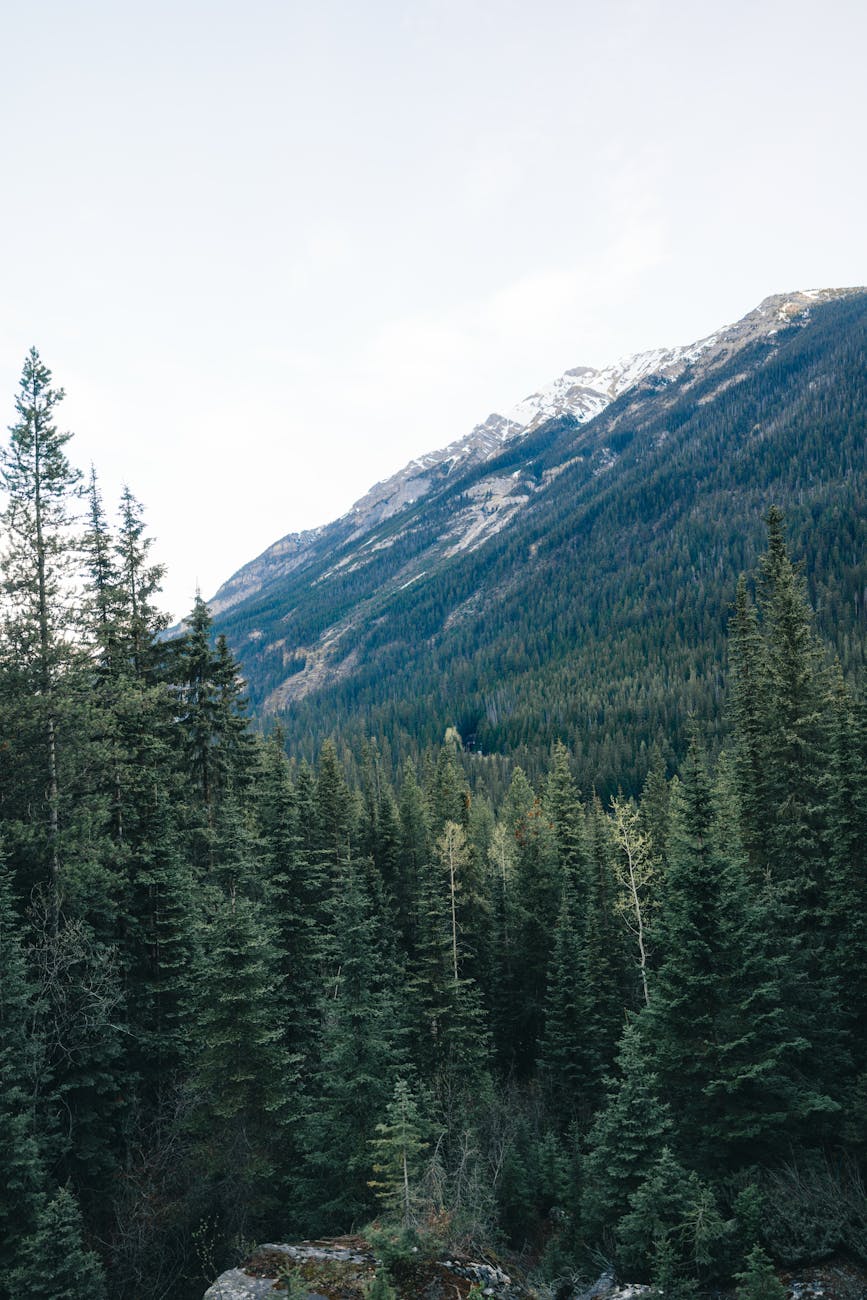
It was August 1st. I was riding Amtrak west through the Colorado high country—forests glowing green, the air still thick with summer. Outside the window: trees, ridgelines, light. Then a shadow. Then none.
The conductor came over the speaker. Calm, but clear:
“Please do not move between cars. We need to preserve as much clean air as possible.”
Then everything vanished.
No lights. No scenery. Just the steady rhythm of wheels on track, and the kind of darkness that eats your reflection. You stare out the window expecting your face—and get nothing back.
That’s the Moffat Tunnel. A 6.2-mile passage beneath the Continental Divide, and one of the most quietly surreal experiences you can have on a train in America.
You don’t just travel through it.
It takes you with it.

Under Pressure: A Tunnel and a Time Capsule
When the Moffat Tunnel opened in 1928, it was hailed as a triumph of modern engineering—a sleek solution to the wind-battered, snow-logged nightmare that was Rollins Pass. It sliced through the Rockies with the promise of speed, commerce, and year-round access to the western slope.
But behind the marvel lies a different kind of legacy: one sealed in rock and smoke, pressure and silence.
The tunnel is essentially a sealed tube. When a train enters, massive doors shut behind it. Ventilation fans kick on. Oxygen is rationed, pulled from one end to the other. That’s why you’re told to stay put—to avoid compromising the flow of breathable air.
It’s not just a safety rule. It’s atmospheric. Literal and figurative.
The Moffat Tunnel isn’t just a place you pass through.
It’s an uniluminated silence that pulls you in.
The Men the Mountain Kept
Officially, 28 men died during the tunnel’s construction. But dig deeper, and that number starts to feel suspiciously clean.
In one collapse, six men were crushed under 125 tons of rock. Another worker, Joseph Grusser, was killed on the West Portal side in January 1925. His grave is unmarked. His name nearly lost to time.
Most of the laborers were immigrants—Italians, Croats, Mexicans—brought in cheap, worked long hours, and left behind in the records. If they made it home at all, it was with lungs full of dust and hands chewed up by frost.
Temporary work camps lined the East Portal—cabins, mess halls, a post office—all dismantled once the job was done. Towns erased, like they’d never existed. Stories, too.
Water, Power, and a City’s Thirst
What most people don’t realize is that the rail tunnel has a twin—a second bore, laid side-by-side beneath the mountain, built not for trains but for water.
In 1936, it began quietly diverting water from the Fraser River Basin under the Divide, channeling it east to Denver. Today, more than 60 percent of that native flow is rerouted. Life that once fed the Western Slope now serves lawns and fountains on the Front Range.
But water isn’t the only thing moving through that system.
The tunnel has been bleeding toxins—coal dust, heavy metals, treated runoff—into the Fraser River for decades. In 2023, over 400,000 gallons of untreated wastewater leaked from the West Portal into the river. It was reported weeks after it happened.
The tunnel’s still moving things.
They’re just not always things we want to face.
Rollins Pass and the Vanishing of the Old World
Long before railroads crossed Colorado, Ute tribes moved through Rollins Pass seasonally—hunting, gathering, holding ceremony. The land around the Moffat Tunnel is sacred ground.
Construction blasted straight through it.
No consultation. No consideration. No pause.
Archaeological sites now sit beneath gravel roads and washed-out timber. In recent years, Ute leaders have urged lawmakers not to reopen Rollins Pass to heavy tourism or vehicle traffic—but many of their requests have fallen on deaf ears.
Even in preservation efforts, silence echoes loudest.
What the Tunnel Remembers
When I passed through, it lasted maybe ten minutes. Ten minutes of pitch black, air drawn through unseen machinery, no sense of forward motion. Just the low hum of the rails and the knowing that you were deep inside something vast and unknowable.
The Moffat Tunnel isn’t evil. It isn’t cursed. But it is heavy—with labor, with sacrifice, with secrets long buried under progress.
There’s beauty in it, too. Precision. Vision. The audacity of carving a path beneath an immovable mountain.
But tunnels like this don’t just take you to the other side.
They remind you of what had to be hollowed out to get there.
Sources and Further Reading
Preserve Rollins Pass – Moffat Tunnel Deaths
Preserve Rollins Pass – January 1925 Cave-Ins
Colorado Headwaters – Moffat Water Diversion
Sky-Hi News – Polluted Discharge from the Moffat Tunnel
Preserve Rollins Pass – Indigenous History and Access Issues




Leave a Reply