
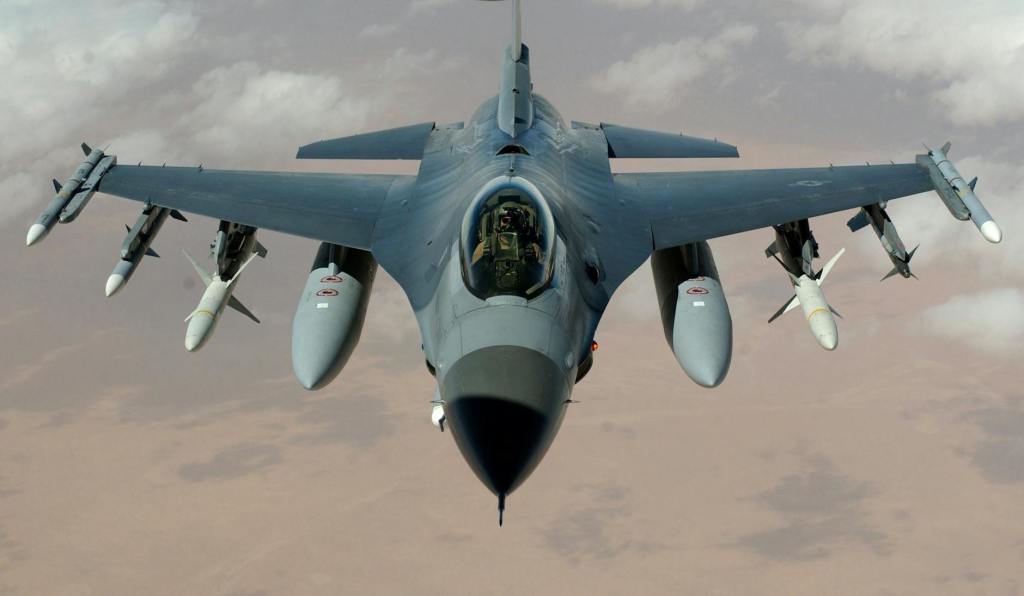
-Investigating the June 13 attacks and their consequences for global diplomacy
June 13, 2025
In the early hours of June 13, 2025, Israel launched a wave of airstrikes deep into Iranian territory, hitting uranium enrichment plants, missile assembly sites, and IRGC (Islamic Revolutionary Gaurd Corps) infrastructure across both Iran and Syria.
While the strikes were precise, and the shock immediate, something was conspicuously absent: the United States.
Despite the magnitude of this operation and the regional tinderbox it ignites, Washington didn’t greenlight it. Not officially. Not publicly. But we’re in it now—whether we wanted to be or not.
What Was Hit—and Why Now?
The Israeli military confirmed successful strikes on:
- Uranium enrichment facilities at Natanz and Fordow
- Ballistic missile development sites
- IRGC command hubs and logistics routes in Syria
- Three major military leaders of Iran: Hossein Salami, Ali Shamkhani and Mohammad Bagheri
The reasoning? To stop Iran from “crossing the nuclear threshold.” But that threshold has been rumored, hyped, and threatened for decades. The International Atomic Energy Agency (IAEA), in its latest June 12 report, confirmed Iran is enriching uranium at 60%—well above civilian limits, but far below the ~90% required for weapons-grade material. Crucially, there was no confirmed evidence that Iran had begun weaponization.
So what changed?
The Politics of Timing

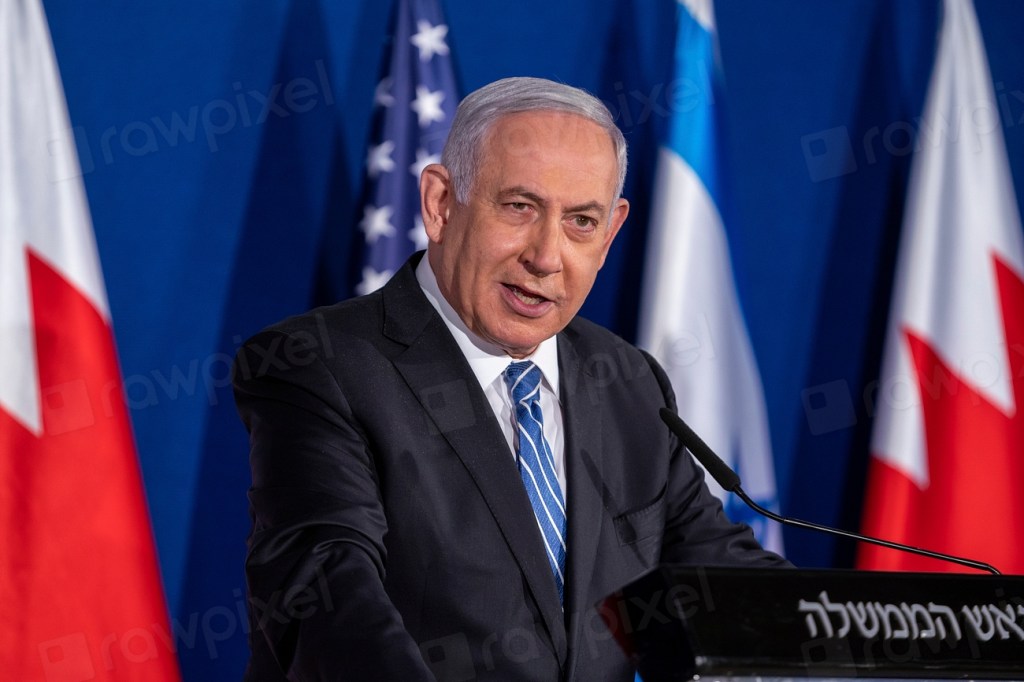
At home, Israeli Prime Minister Benjamin Netanyahu is politically cornered. Ongoing corruption trials, mass street protests, and a fractured coalition government have made for a combustible backdrop.
Launching a surprise strike on a historical enemy does a few things:
- It re-centers power in the executive
- It consolidates national unity under an external threat
- It shifts headlines from scandal to “security”
The strike may be about Iran—but it was also, undeniably, about timing.
Iran’s Response: Strong Words, Measured Force
Iran’s initial military retaliation was limited but symbolic:
- Pro-Iranian militias launched rockets into northern Israel and U.S. bases in Syria
- Iranian drones were intercepted near American assets in Iraq
- A formal complaint was lodged with the U.N. Security Council
The message? We can respond—but we won’t escalate yet.
Iranian Foreign Minister Hossein Amir-Abdollahian called the strikes “a naked act of aggression coordinated with Zionist allies,” but made clear that Tehran would respond “at a time and place of our choosing.”
The United States Position: Not Involved—But Very Much Affected
President Trump, now in his second term, convened an emergency National Security Council meeting hours after the strikes. The message from the White House: Israel acted unilaterally.
There was no prior authorization, coordination, or support from the U.S., though intelligence sharing in the weeks leading up to the strike remains an open question.
Secretary of State Marco Rubio released an official statement later that day:
“Tonight, Israel took unilateral action against Iran. We are not involved. Our only role now is to protect American forces in the region. Iran should not mistake our neutrality for weakness. If U.S. assets are targeted, we will respond decisively.”
— White House Statement, June 13, 2025

Meanwhile, U.S. forces across the Middle East were ordered to high alert:
- Partial evacuations from U.S. diplomatic facilities in Bahrain, Iraq, and Kuwait
- Naval repositioning of the USS Eisenhower battle group to the Arabian Sea
- Cyber defense teams activated across CENTCOM (Centeral Command) and NSA Middle East divisions (National Security Agency)
So What Does This Mean for America?
In short: trouble. The U.S. didn’t start this, but we’re close enough to feel the heat.
The fallout is threefold:
- Strategic Risk: U.S. assets are now high-value targets for Iranian retaliation—even if we weren’t in on the op.
- Diplomatic Breakdown: Quiet backchannel talks in Oman between Washington and Tehran are effectively dead.
- Alliance Testing: Israel’s decision to act solo raises questions about its long-term strategic alignment with the U.S.
For the Trump administration, it’s a delicate line to walk: defend the ally, avoid escalation, and somehow preserve a shred of regional stability.
Closing Thoughts
This wasn’t just a missile strike. It was a recalibration of Middle East power plays. It was political theatre with real-world blood risk. And it was a test of how far an ally can go before America is pulled into the blast radius.
When Israel acts alone but the fallout lands on U.S. troops, embassies, and oil corridors, we are no longer neutral observers—we are accidental participants in a new phase of a very old war.
The fuse is lit. And Washington may not be able to blow it out.
Key Sources and Further Reading
- Reuters: Trump convenes emergency meeting after Israeli strikes
- IAEA: June 2025 Safeguards Report
- White House: Statement from Secretary of State Marco Rubio
- The Guardian: Israel’s Threat Without U.S. Backing































 Ashes on Air
Leave a reply to Gary in Kansas City` Cancel reply