
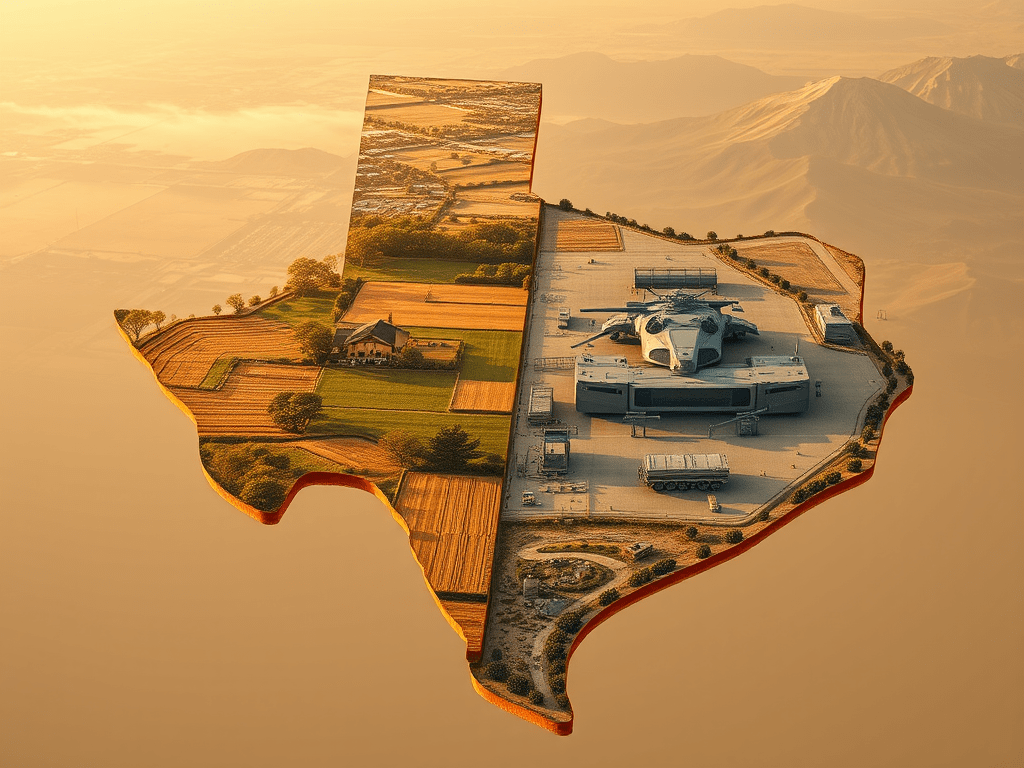
Explore Governor Abbott’s 2025 Texas foreign land ownership proposal—its national security roots, global context, and fairness challenges. Get the facts.
Foreign land ownership in Texas has sparked fierce debate, especially near critical infrastructure. Governor Greg Abbott’s 2025 proposal to block buyers from countries like China is making waves. This article unpacks the plan, exploring its benefits, challenges, and global context with a clear, fact-based lens.
Why National Security Drives Abbott’s Plan
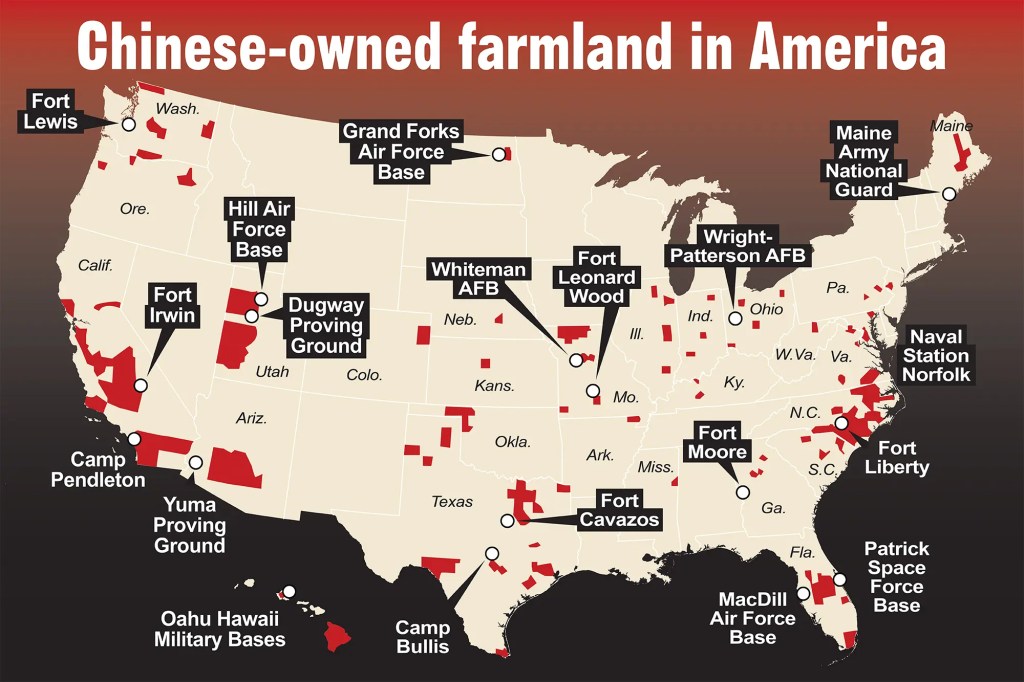
At its core, Governor Abbott’s proposal is about national security. It targets entities from China, Iran, North Korea, and Russia, aiming to stop them from owning Texas land near military bases or nuclear sites. Supporters argue it’s a vital defense against espionage in today’s tense geopolitical climate. With foreign powers flexing their influence, the concern over Texas land security feels all too real.
How Texas Fits Into Global Land Ownership Trends
Restricting foreign ownership isn’t unique to Texas. Many nations protect their land, as shown in a Library of Congress report:
- China: Foreigners need a year’s residency and face strict limits near military zones.
- Australia: The Foreign Investment Review Board screens deals, limiting existing homes and farmland.
- India: Non-residents can buy, but foreigners struggle, especially with agricultural land.
- Mexico: Border and coastal zones require trusts (fideicomisos) for foreigners.
These examples prove that prioritizing sovereignty in land ownership is a worldwide trend, not just a Lone Star State move.
Balancing Security With Fairness in Texas
The security angle of Abbott’s land proposal is strong, but execution is key. A sloppy rollout could strain alliances or spark bias claims. Here’s how Texas could nail it:
- Deep Vetting: Check buyers’ ties to foreign governments thoroughly.
- Zoned Limits: Define no-go areas near critical infrastructure.
- Review Panel: Use an Australia-style board for case-by-case approvals.
- Ongoing Checks: Monitor foreign-owned land for security risks.
- Clear Rules: Set transparent standards to avoid unfairness.
The Bottom Line on Texas Land Restrictions
Governor Abbott’s plan to curb Texas foreign land ownership taps into real fears about national security and influence. The trick is making it tough yet fair. By borrowing from global playbooks and keeping processes open, Texas could safeguard its interests without tipping the scales.
Sources:
- “Issue to Watch: States Restricting Foreign Property Ownership” – Multistate.us
- “Law Library’s New Report Reviews Foreign Ownership of Land Restrictions” – Library of Congress
- “Bice Introduces Legislation to Stop U.S. Farmland Being Sold to Foreign Adversaries” – Bice.house.gov
























































































 Ashes on Air
Thank you for taking the time to share your thoughts. Your voice is important to us, and we truly value your input. Whether you have a question, a suggestion, or simply want to share your perspective, we’re excited to hear from you. Let’s keep the conversation going and work together to make a positive impact on our community. Looking forward to your comments!