

June 8, 2025
In July of 2024, federal agents stopped Zunyong Liu at Detroit Metro Airport—and what they found sparked a flurry of headlines, security alerts, and geopolitical finger-pointing. What’s in his bag? Not drugs. Not weapons. Just… tissues. Stuffed with spores.
The fungus in question? Fusarium graminearum is a fungus known for torching wheat and barley fields and lacing grain with nasty little toxins strong enough to make people and livestock seriously ill. To farmers, it spells catastrophe. To FBI Director Kash Patel? Agroterrorism. Maybe even a CCP (Chinese Communist Party) backed operation headed straight for America’s bread basket.

Too dramatic? Perhaps. If you strip away the rhetoric, the facts still stand like the opening chapter of a biotech thriller. Was this fungus a biological weapon, or were we chasing shadows in a Petri dish?
The arrest of Liu, a Chinese national, quickly led investigators to Yunqing Jian, a postdoctoral researcher at the University of Michigan—and Liu’s girlfriend.
The Fungus That Freaked Out the Feds
Fusarium graminearum, a microscopic menace that causes Fusarium Head Blight (FHB), a disease that shrivels crops and contaminates them with mycotoxins like deoxynivalenol, also known as “vomitoxin.” As the name suggests, consuming high doses of these toxins will spark nausea, liver damage, immune disruption, and even reproductive problems—especially in livestock.
In the 1990s, FHB was known as “scab,” and during some of its worst outbreaks, it was responsible for over $2.6 billion in losses. So when Liu was caught attempting to sneak some in—sans permits or safety protocols—major alarms were raised.

Thickening the plot, investigators unlocked WeChat messages linking Liu to Yunqing Jian—his girlfriend, a postdoc at the University of Michigan. These texts unveiled she had allegedly smuggled the same fungus in through her shoes back in 2022 via San Francisco. Also on his phone was a downloaded article about “plant-pathogen warfare” and secret discussions written in Chinese to keep the fungus hidden from Jian’s professor. Kash Patel claims Jian was a loyal CCP asset, suggesting this wasn’t just “academic misconduct” but espionage with agricultural consequences.
Still, some are left wondering. FHB is already widespread in the U.S., managed by farmers using resistant crop varieties, fungicides, and crop rotation. So, what exactly was their plan?
What If It Went Big?
Side Note: Not All Fungus Is Created Equal
Yes, Fusarium graminearum is already part of the U.S. farm scene—but the strain smuggled in wasn’t your average crop pest. It appears to be a foreign variant, likely from China, that some experts believe could be more virulent, more toxigenic, or even less responsive to U.S.-approved fungicides. While there is no public evidence that it was genetically engineered, its unauthorized import alone raised serious biosecurity concerns. The real threat isn’t just the species—it’s what this specific strain could have done if it had hit the right fields under the right conditions.
Let’s game it out. What if Liu—or someone else—managed to spread Fusarium graminearum across the heartland? Imagine tainted seeds, rogue crop dusters, or drones spewing spores over Kansas wheat fields.
Crop Chaos
The fungus loves warm, wet conditions—perfectly timed to when crops are flowering. That combo can slash yields by up to 50%, especially if the pathogen is weaponized or hits multiple regions in sync. Outbreaks in the 1990s demonstrated the damaging effects of FHB, particularly when farmers are caught off guard.
However, farmers are now better equipped. Andrew Friskop, a plant pathologist at North Dakota State University, told CBS News that growers have been “dealing with FHB for decades.” Unless the smuggled strain was genetically souped-up—resistant to fungicides or turbocharged with toxins—it would likely cause regional damage, not a national apocalypse.
Economic Ouch
Localized outbreaks could still be brutal. Grain that tests high for vomitoxin is either downgraded or tossed, hitting farmers right in the wallet. The significant epidemics of the ’90s cost over $1 billion annually. A deliberate release could replicate that—at least on a regional level.
But a full-on grain collapse? Unlikely, yet still possible. The U.S. grain system is vast, decentralized, and buffered by federal crop insurance. Researchers like Jessica Rutkoski at the University of Illinois have noted that “routine testing” and food safety nets keep the public mostly insulated.
Health Scares
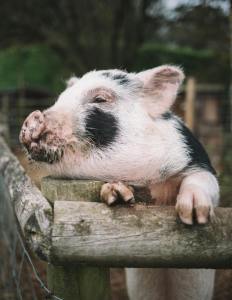
The most significant health risk arises from contaminated grain entering food or feed. In humans, symptoms include nausea and immune suppression. In livestock, especially pigs, the effects can be more severe. But thanks to strict FDA limits (1 ppm for vomitoxin in human food) and heavy monitoring of the feed supply, a mass poisoning event isn’t on the table.
That said, a sloppy or delayed response could still allow a few contaminated batches to slip through. It’s not a zombie outbreak, but it’s not great, either.
Panic and Politics
If Liu’s fungus had made it to a lab, and if Jian had successfully cloned or amplified it, we might be looking at something different. But even without a full-scale release, the public response has been jittery.
Social media lit up after the arrest. Posts in June 2025 called it “a bioterror wake‑up call.” Others pushed conspiracy narratives about Chinese state‑sponsored sabotage. Patel’s claims added mystery to the narrative—especially with claims that Jian had financial ties to the CCP. (The University of Michigan denies this.)
“This case is a sobering reminder that the Chinese Communist Party continues to deploy operatives and researchers to infiltrate our institutions and target our food supply, which would have grave consequences, putting American lives and our economy at serious risk.”
(This quote from FBI Director Kash Patel was reported by Reuters)financialexpress.com+1x.com+1timesofindia.indiatimes.com+13reuters.com+13scrippsnews.com+13
From visa restrictions to academic research audits, the ripples are already being felt. And politically? The timing was no accident. The Trump administration’s visa crackdowns on Chinese researchers were already heating up. This incident supercharged that agenda.
The Bigger Problem: Biosecurity Blind Spots
Here’s what’s truly unsettling: they nearly succeeded.
Liu got caught by sheer luck during a routine bag check. Jian allegedly slipped Fusarium through airport security in 2022 undetected. Another conspirator, Xia Chen, was caught mailing DNA plasmids hidden in a book. And U‑M’s lab? It wasn’t even cleared to handle F. graminearum.
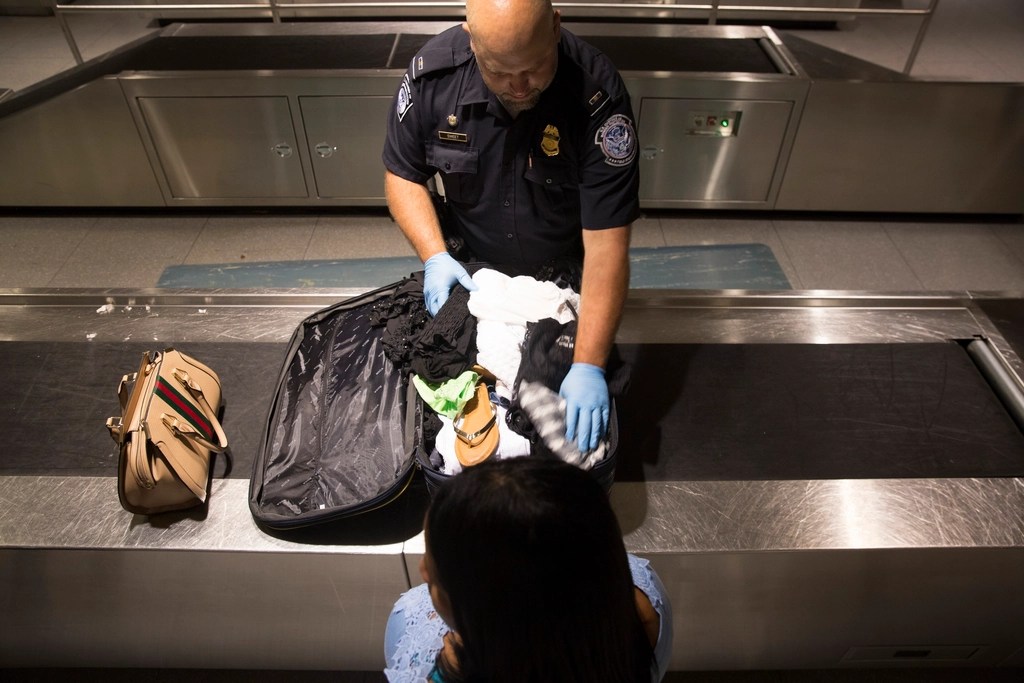
This wasn’t a Bond‑villain scheme—it was a case study in biosecurity sloppiness. Academic labs aren’t built like Fort Detrick, and customs enforcement isn’t designed for agro‑bio‑warfare. That’s a problem.
It raises a bigger question: how many other under‑the‑radar transfers are happening in university labs, private greenhouses, or even amateur grower networks?
Doomsday or Dud?
A deliberate release of Fusarium graminearum could have caused severe regional damage, including millions of lost crops, nervous consumers, and tense diplomatic fallout. But crippling U.S. agriculture? Starving the nation? The answer is most likely “No.”
This fungus is already here (whether or not it’s the same variant is unclear). It’s nasty, but it’s manageable. Unless Liu and Jian were hiding some CRISPR‑enhanced death strain—and there’s no evidence they were—this wasn’t the apocalypse. But it was a wake‑up call.
Biosecurity gaps, academic oversight failures, and overheated rhetoric all collided in this bizarre chapter of agro‑drama. And while the fungus itself might be common, the implications? Far from it.
This is Ashes on Air, signing off until the next spore breaks loose.
Sources:
- ABC News. (2025, May 10). FBI says Chinese nationals smuggled crop-killing fungus into U.S. https://abcnews.go.com
- Alberta Agriculture and Forestry. (n.d.). Fusarium head blight of cereals. Government of Alberta. https://www.alberta.ca/fusarium-head-blight-of-cereals.aspx
- Bergstrom, G. C. (2024). Fusarium head blight: Biology and management. Cornell University Extension.
- CBS News. (2025, May 11). Chinese researchers accused of trying to release dangerous plant fungus in U.S.https://www.cbsnews.com
- CNN. (2025, May 12). Feds foil suspected agroterrorism plot involving fungus. https://www.cnn.com
- DTN Progressive Farmer. (2024, August 15). Fusarium head blight continues to challenge growers. https://www.dtnpf.com
- Frontiers in Plant Science. (2023). Recent advances in Fusarium head blight resistance and genomics. https://www.frontiersin.org/articles/10.3389/fpls.2023.XXXXXX
- Manitoba Agriculture. (n.d.). Fusarium head blight in cereals. Government of Manitoba. https://www.gov.mb.ca/agriculture/crops/plant-diseases/fusarium-head-blight.html
- NDTV. (2025, May 10). FBI: Fungus smuggled by Chinese nationals could threaten U.S. crops. https://www.ndtv.com
- Reuters. (2025, May 11). U.S. officials allege plot to sabotage food supply with wheat fungus. https://www.reuters.com
- Rutkoski, J. (2025). Interview on Fusarium biosecurity. CBS News. https://www.cbsnews.com
- South China Morning Post. (2025, May 13). University of Michigan denies links to Chinese agroterror suspects. https://www.scmp.com
- The Guardian. (2025, May 12). FBI warns of agroterror plot foiled at Detroit airport. https://www.theguardian.com
- The Week. (2025, May 12). Agroterrorism and American wheat: What’s really at risk? https://www.theweek.com
- U.S. Department of Agriculture Agricultural Research Service (USDA ARS). (n.d.). Fusarium head blight (scab) of wheat and barley. https://www.ars.usda.gov
- Yahoo News. (2025, May 12). Smuggled fungus: FBI claims thwarted agroterrorism plot. https://news.yahoo.com






























 Ashes on Air
Thank you for taking the time to share your thoughts. Your voice is important to us, and we truly value your input. Whether you have a question, a suggestion, or simply want to share your perspective, we’re excited to hear from you. Let’s keep the conversation going and work together to make a positive impact on our community. Looking forward to your comments!