
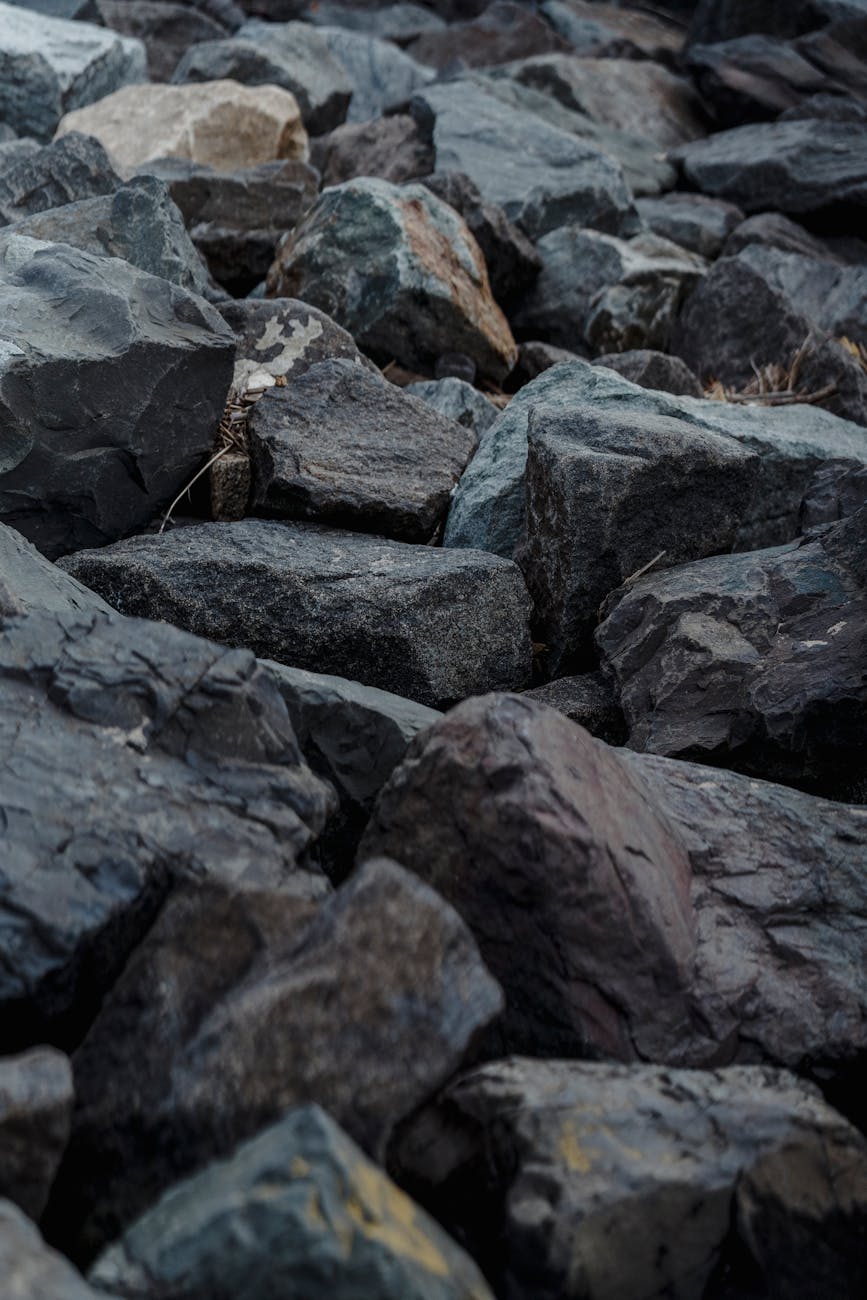
What if we could use rocket ships to harvest resources from mega geodes floating in space? Guess what? We can. Instead of being a sci-fi pipe dream, it’s a tangible reality. Asteroids are chock full of precious metals like platinum, gold, nickel, etc. and it’s got everyone from scientists and entrepreneurs to governments ears perked, starry eyes open, and on the grind buzzing to be the first in this race. So strap in, and let’s put this spaceship into orbit, we’re going on a joyride through the wild world of cosmic treasure hunting!
What is asteroid mining? It’s exactly what it sounds like: harvesting valuable material from asteroids. Asteroids are mega rocks floating in space; the leftovers from our solar system’s creation. They even contain water. Water might sound like no big deal, until you understand that it can be turned into rocket fuel, and drinking water for astronauts while they’re out there floating around. Why haven’t we done this before? These gems are, well, in space, and that makes getting them a bit trickier than taking a trip down to the local hardware store.
Some of these floating repositories are packed with metals worth more than the GDP of a small country. For example, a single 500-meter-wide asteroid could hold 175 times the world’s annual platinum supply! (According to MIT Researchers) That’s more than enough to make Mr.Burns scheme. Mining in space means less environmental damage, than tearing into Earth’s crust. That’s a healing moment for our planet.
“Why does this matter to me?” You may ask yourself while sipping your coffee. Water from asteroids can be split into hydrogen and oxygen for rocket fuel. Which, means more efficient space exploration. Like gas stations in orbit-pretty cool, huh? Back on Earth, rare metals like platinum are essential for green tech, like solar panels, and electric vehicles. With demand skyrocketing (pun intended), asteroids could keep our clean energy dreams alive without strip-mining our home planet, and you can keep drinking that coffee in peace.
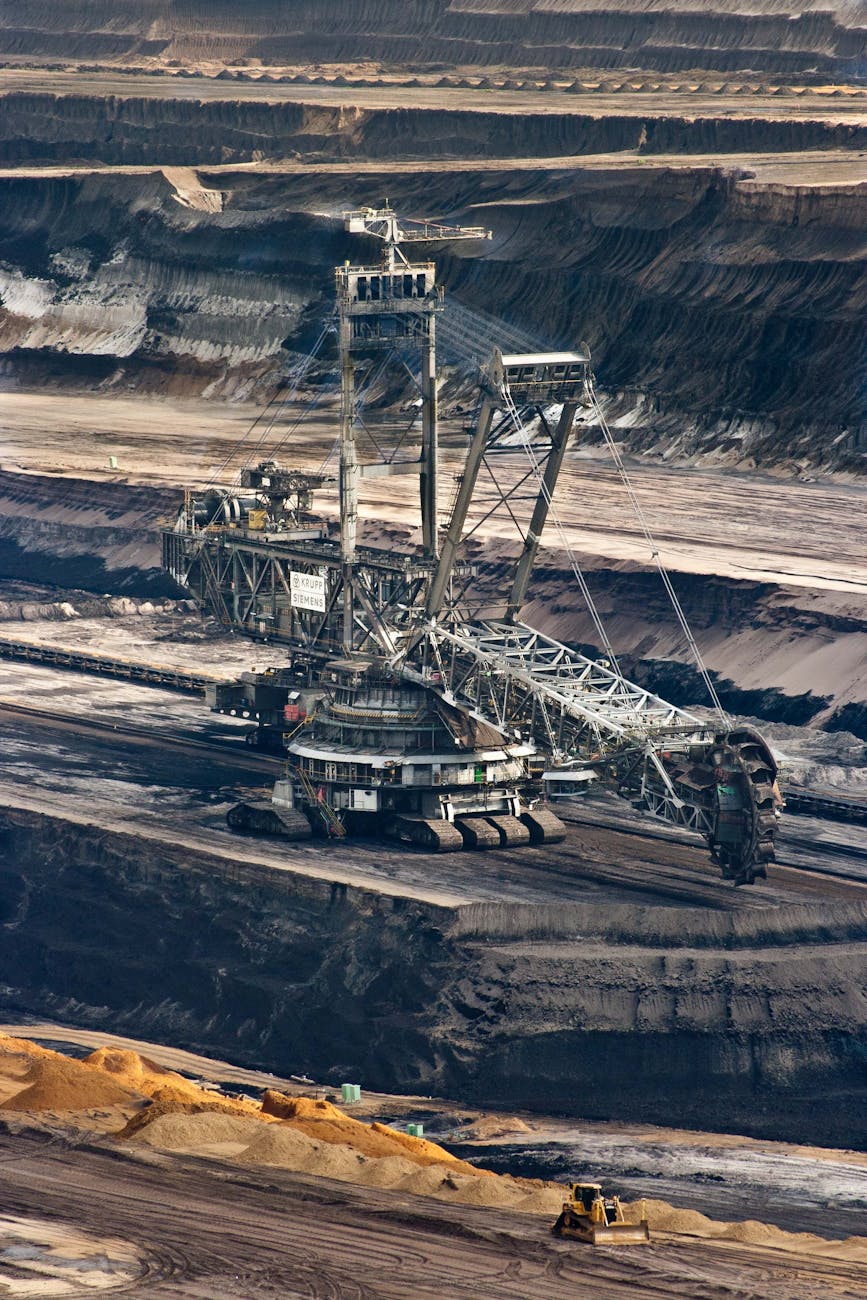
And, let’s be real: the idea of space miners is just awesome. It’s like the Wild West, but with zero gravity and robots instead of pickaxes and cholera. Some companies, are betting big that this could make them, and their investors space tycoons. That’s wealth enough to buy a few private islands, and maybe a moon base or two.
Where we’re at on this journey? Here’s the thing: We’re almost there, but not quite yet. Asteroid mining is in the “cool idea, let’s test it” phase. However, we are getting there! NASA’s OSIRIS REx mission pulled of a cosmic heist in 2023, snagging 121 grams of asteroid dust, and bringing it back home. Japan’s Hayabusa2 mission nabbed 5.4 grams in 2020. Yes, baby steps-tiny, expensive baby steps (OSIRIS-REx cost over a billion bucks.) These missions prove we can touch asteroids, and bring back the goods.
Private companies are jumping in, too. ExpoSol, a hot new startup, is planning to mine asteroids using tech we already have, aiming to haul back valuable metals with a sustainable twist. Jason Hardee, the founder of ExpoSol, is all about keeping Earth green by avoiding the deforestation and pollution of traditional mining. Their motto is “Leave no trace, mine in space.” By utilizing established tech, they’re keeping it real, more affordable, and less pie-in-the-sky.
Here’s the deal: it’s not all smooth orbiting. Space is tough. Landing on an asteroid is like trying to park a bus, on a spinning log, in a lake. There’s also the matter of digging, refining, and hauling the loot back to Earth-or potentially using it “in” space. It’s not cheap. Early estimates are suggesting billions to get this operation off the ground (literally.) And don’t forget the legalities. Who owns the asteroid’s profits? The U.S. says, “Finders keepers!” With its 2015 SPACE Act, but not everyone globally agrees. Space law is about as clear as a foggy nebula. In reality, this is a space race. As a native to the United States, that’s who I’m rooting for.
Is this the next gold rush, or a cosmic pipe dream? It’s more likely somewhere in the middle. Experts think we could see real mining operations by the 2040’s, with companies like ExpoSol and NASA laying the groundwork now. Who knows we may get there sooner than planned. Where in the near future, space factories pump out rocket fuel, and our home planet gets a steady supply of rare metals without wrecking the ecosystem. Perhaps we’ll build cities on the moon with the iron we get. Either way it’s a dauntless mission for humanity.
Right now, asteroid mining is like a shiny new toy-full of promise, but we’re till learning how to play with it. Either way, the universe is calling, and we’re answering. When you look up at the stars, think: those twinkling lights might be hiding something even more amazing than just their glow.
Want to explore more? Check out NASA asteroid programs https://www.jpl.nasa.gov/asteroid-watch/ and ExpoSol https://www.exposolcorp.com































 Ashes on Air
Thank you for taking the time to share your thoughts. Your voice is important to us, and we truly value your input. Whether you have a question, a suggestion, or simply want to share your perspective, we’re excited to hear from you. Let’s keep the conversation going and work together to make a positive impact on our community. Looking forward to your comments!