
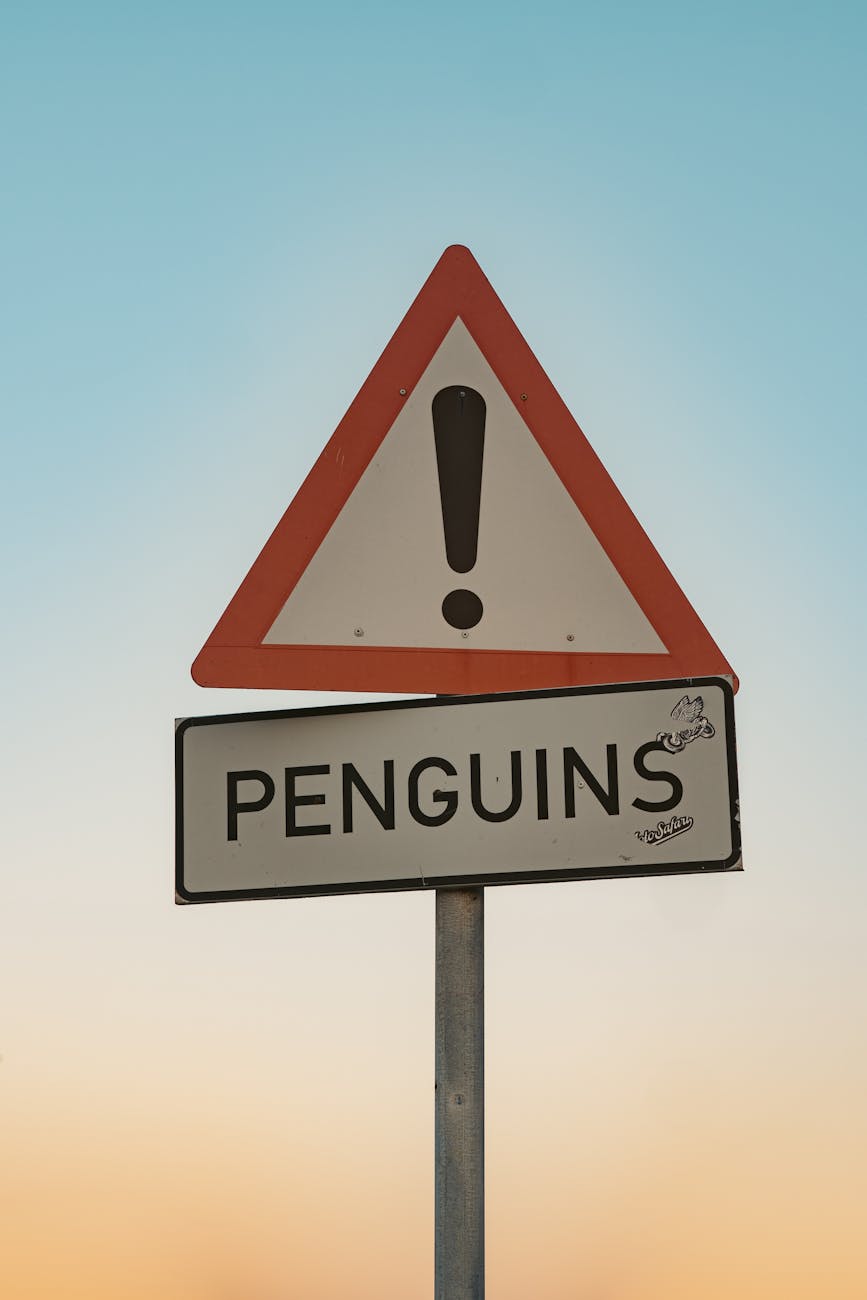
In the frosty, wind-whipped wastelands of Antarctica, where even the hardiest souls shiver, an unlikely champion waddles onto the scene: penguin poop, or as we’ll class it up, guano. This isn’t just any old droppings; it’s the ecological equivalent of a five-star fertilizer, turning barren ice patches into bustling hubs of life and even helping scientists play hide-and-seek with penguin colonies from space. Buckle up as we dive into the gloriously stinky world of guano, backed by rock-solid science and a wink of humor.
A Fertilizer Worth Squawking About
Antarctica’s soil is about as welcoming as a tax audit—devoid of nutrients and stingy with life. And here’s guano, the nitrogen-packed gift from penguins’ fish-and-krill buffet. When these tuxedoed tenants gather in their rowdy colonies, their droppings transform the ground into a veritable smoothie of nutrients. Mosses, lichens, and algae—Antarctica’s only green residents tough enough to shrug off subzero temps—gobble up this goodness, sprouting like hipsters at a farmers’ market.
A study in Science of The Total Environment (Bokhorst et al., 2019) reveals that guano from penguins and their seal cousins supercharges soil fertility, creating lush zones that sprawl up to 240 times the size of the colonies. These verdant patches are like Antarctica’s version of a pop-up garden, proving that penguin poop is the ultimate compost king.

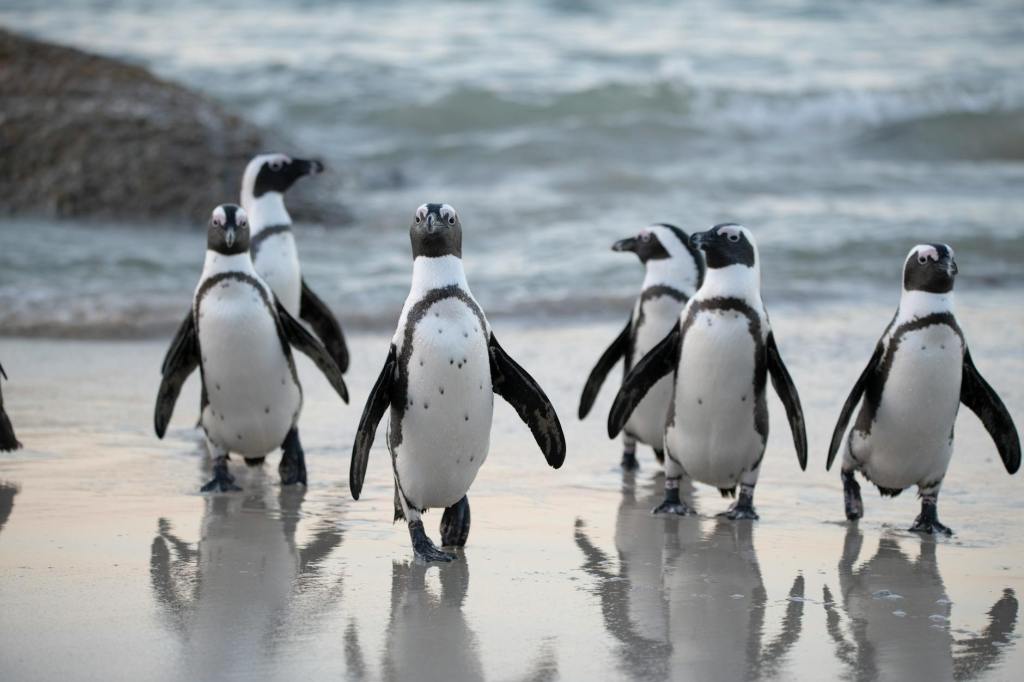


Biodiversity’s VIP (Very Important Poop)
Guano doesn’t just stop at plants; it’s the VIP pass to Antarctica’s biodiversity bash. The nitrogen and nutrients in these droppings are a buffet for microbes, which then roll out the red carpet for tiny critters like springtails, mites, and nematodes. These mini-beasts are the unsung heroes of the Antarctic food web, recycling nutrients and serving as snacks for slightly less tiny creatures. Research in Polar Biology (Wall & Virginia, 1999) shows that areas near penguin colonies are buzzing with life, like a microscopic Coachella fueled by poop.
From vibrant lichens to scampering mites, these guano-powered hotspots are proof that even in Antarctica’s icy desolation, a little poop goes a long way in throwing a lively ecological party.
Guano: The Satellite Star
Hold onto your binoculars—guano’s got a high-tech side gig. Its krill-fueled, reddish-brown hue makes it a beacon visible from space, letting scientists spot penguin colonies via satellite like cosmic paparazzi. This non-invasive trick has revolutionized conservation, helping researchers track penguin populations and uncover new hangouts without crashing their waddle-fests. A 2020 study in Remote Sensing (Fretwell & Trathan, 2020) used guano stains to discover 11 new emperor penguin colonies, bumping the total to 61 across Antarctica.
Thanks to guano’s unmistakable glow-up, scientists can map penguin real estate and protect their habitats, all while the penguins carry on with their fishy feasts and belly-sliding shenanigans.
The Poop That Keeps on Giving
Let’s raise a flipper to penguin guano, Antarctica’s smelliest superhero. It turns lifeless soil into a nutrient nirvana, hosts biodiversity blowouts, and moonlights as a satellite signal for conservation. In a land of ice and isolation, this humble poop proves that even the messiest contributions can make a monumental difference. So, next time you see a penguin, give a nod to their droppings—the unsung MVPs of the Antarctic ecosystem.
10 Unique Facts About Penguins
- Cold-Weather Champs: Penguins rock a blubber layer and feather-packed coat, like nature’s warmest onesie, to thrive in Antarctica’s deep freeze.
- Olympic Divers: Emperor penguins plunge over 1,800 feet and hold their breath for 20+ minutes, making scuba pros jealous.
- Hopeless Romantics: Adélie penguins often mate for life, sticking with their sweetheart season after season like a rom-com with flippers.
- Belly-Sliding Superstars: Penguins toboggan on their tummies across ice to save energy, because who needs a sled when you’ve got abs?
- Pebble Proposal Pros: Gentoo penguins woo mates by gifting them the perfect stone, because nothing says “I love you” like a rock.
- Spiky Snackers: No teeth? No problem! Penguins use backward-facing mouth spines to nab slippery fish and krill.
- Fancy Ear Bling: King penguins sport dazzling orange ear patches, flashing their health and charm like avian jewelry.
- Cuddle Club Members: Penguins huddle in massive groups to stay toasty, taking turns in the warm middle like the ultimate team players.
- Speedy Waddlers: Chinstrap penguins zip along at 15 mph, dodging predators with moves that’d make a cheetah blink.
- Dino-Era Dwarfs: Ancient penguins, like the 60-million-year-old Waimanu, were pint-sized compared to today’s hefty waddlers.
Sources
- Bokhorst, S., et al. (2019). “Nitrogen inputs by marine vertebrates drive abundance and richness in Antarctic terrestrial ecosystems.” Science of The Total Environment, 657, 953-959. https://doi.org/10.1016/j.scitotenv.2018.12.038
- Fretwell, P. T., & Trathan, P. N. (2020). “Discovery of new colonies by Sentinel2 reveals good and bad news for emperor penguins.” Remote Sensing, 12(15), 2449. https://doi.org/10.3390/rs12152449
- Wall, D. H., & Virginia, R. A. (1999). “Controls on soil biodiversity: Insights from extreme environments.” Polar Biology, 21(4), 217-224. https://doi.org/10.1007/s003000050356



 Ashes on Air
Thank you for taking the time to share your thoughts. Your voice is important to us, and we truly value your input. Whether you have a question, a suggestion, or simply want to share your perspective, we’re excited to hear from you. Let’s keep the conversation going and work together to make a positive impact on our community. Looking forward to your comments!