

Explore Ireland’s 2025 deportation flights to Georgia and anti-immigration protests amid housing crises and EU policies. Understand the nation’s immigration debate.
May 7, 2025
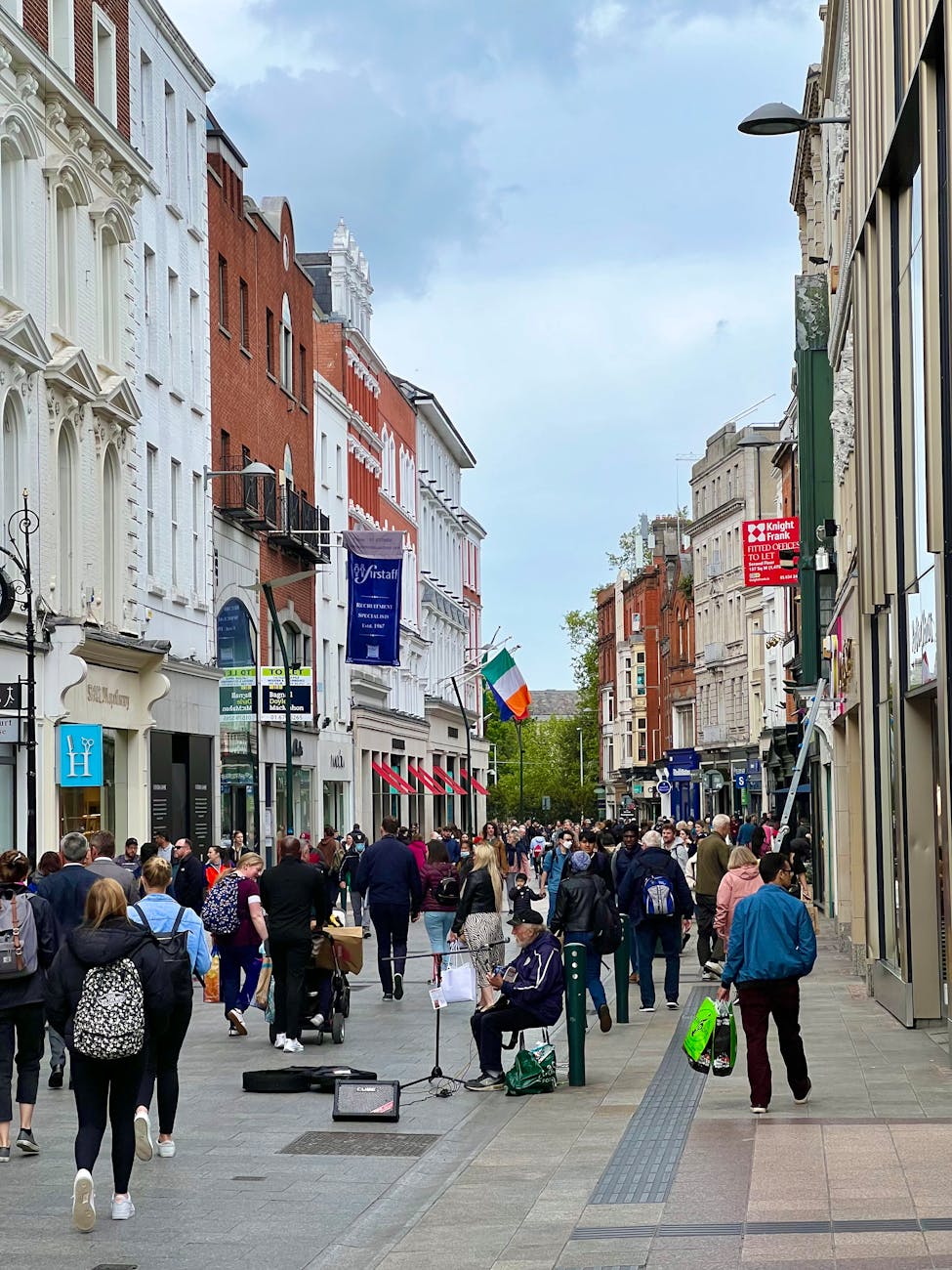
Ireland’s immigration policies are under scrutiny as deportation flights to Georgia and anti-immigration protests reshape the national conversation. In 2025, two chartered flights deported dozens of failed asylum seekers, while protests in Dublin demand stricter borders. For Irish readers, these events raise pressing questions about housing, identity, and fairness. This article delves into Ireland’s immigration policy, the protests fueling debate, and the path forward for a nation balancing enforcement with compassion.
Deportation Flights: A Firmer Immigration Stance
Ireland intensified its immigration enforcement in 2025 with two high-profile deportation flights:
- February 27: 32 Georgians (28 men, 3 women, 1 child) deported from Dublin to Tbilisi.
- April 30: 39 Georgians (30 men, 4 women, 5 children) followed suit.
Costing over €100,000 each, these flights, contracted with Air Partner Limited in November 2024, enable the Garda National Immigration Bureau (GNIB) to deport groups efficiently. Justice Minister Jim O’Callaghan calls this a “firmer and fair” approach, targeting “safe country” nationals like Georgians, who contribute significantly to Ireland’s 18,500 asylum applications in 2024.
Key statistics highlight the shift:
- Deportation Orders: 2,403 in 2024 (180% increase from 2023); 1,599 by April 2025.
- Voluntary Returns: 934 in 2024, up from 213 in 2023.
- 2025 Trend: Deportations tripled in Q1 compared to 2024.
These efforts align with the EU Migration and Asylum Pact, effective June 2026, and the General Scheme of the International Protection Bill 2025, which aims to streamline asylum processes. Critics, like Michael McDowell, question the flights’ cost-effectiveness, citing thousands of failed asylum seekers still in Ireland. O’Callaghan defends them as essential, with more flights planned.
Related: Ireland’s Housing Crisis: A Root of Immigration Tensions
Anti-Immigration Protests: A Cry for Change
Anti-immigration protests have surged since 2022, driven by Ireland’s housing crisis and strained services. With 307 protests in 2022 and 169 by August 2023, communities from Coolock to Moville have resisted asylum seeker accommodations. The 2022 influx of 65,000 refugees, including 58,000 Ukrainians, amplified tensions.
The April 26, 2025, “National Protest” in Dublin drew 10,000+ marchers, led by Malachy Steenson and backed by Conor McGregor. Waving tricolours, protesters chanted “remigration, save the nation,” criticizing government priorities. The event, tied to the 1916 Easter Rising, saw three arrests and disrupted Luas services. Taoiseach Micheál Martin condemned its “narrow nationalism.”
Violence has flared:
- February 2025: Riots in Dublin, with arson at a Coolock asylum site, led to 15 arrests.
- Far-Right Influence: Groups like the National Party fuel protests, pushing divisive narratives.
Counter-protests by United Against Racism, chanting “refugees are welcome” on April 26, highlight Ireland’s divide. Social media, especially X, amplifies both sides, with posts decrying “Irish families on the streets” or defending Ireland’s emigrant legacy.
Housing Crisis and Distrust: The Protest Roots
Ireland’s housing crisis—130,000 empty homes amid soaring rents—drives protest sentiment. Allocating resources to asylum seekers, often without community input, has sparked resentment in areas like East Wall. Economic pressures, stretched services, and perceived government disconnect deepen distrust. Far-right groups exploit these issues, though protests often stem from local neglect rather than outright xenophobia.
The government is responding with stricter enforcement and promises of better engagement, leaning on the EU Pact for long-term relief. Rebuilding trust remains a challenge.
Related: EU Migration Pact: What It Means for Ireland
The Path Forward: Enforcement Meets Compassion
Ireland faces a delicate balance. Deportation flights address public demands for border control, but protests reveal deeper issues—housing, communication, and fairness. Ireland’s emigrant history, with millions seeking refuge abroad, bolsters calls for compassion, yet local struggles demand attention.
As more flights loom and the EU Pact nears, Ireland must listen to its people while upholding its global values. How should Ireland navigate this divide? Share your thoughts below.
This article reflects Ireland’s immigration debate as of May 7, 2025, drawing from government sources, Irish media, and public sentiment on X.




 Ashes on Air
Thank you for taking the time to share your thoughts. Your voice is important to us, and we truly value your input. Whether you have a question, a suggestion, or simply want to share your perspective, we’re excited to hear from you. Let’s keep the conversation going and work together to make a positive impact on our community. Looking forward to your comments!