

The Federal Reserve’s two-day meeting, starting May 6, 2025, has everyone wondering what’s next for their wallets, jobs, and the economy at large. The Fed, our nation’s central bank, holds the reins on how our economy runs—deciding if borrowing for a home or car gets cheaper or pricier, and whether inflation keeps hiking your grocery bill. Most people don’t realize just how much power the Fed has, and frankly, it’s a bit unsettling to think one group can shape our financial lives so much. With President Trump’s new tariffs stirring things up, this meeting is a big deal. Let’s break it down in plain English, dive into what’s at stake, and ask if the Fed’s control is entirely fair.
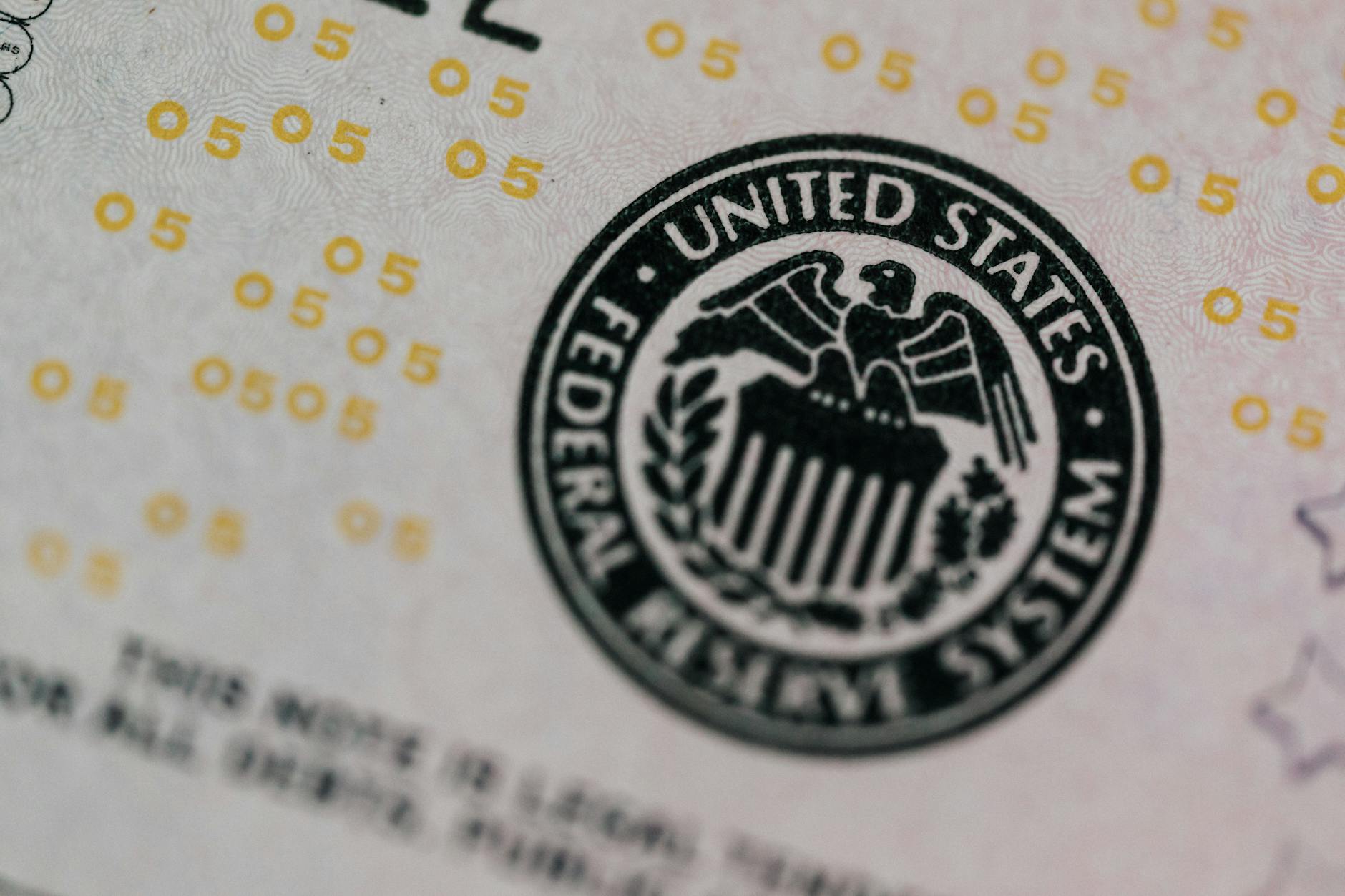
What Does the Federal Reserve Do?
Think of the Fed as the economy’s thermostat, tweaking the “temperature” by setting interest rates—the cost of borrowing money. Low rates mean businesses and people borrow more, spending fuels growth, and jobs tend to pop up. High rates slow borrowing, cool spending, and tame inflation (rising prices), but they can also stall growth. The Fed aims for a balanced economy: not too hot (crazy inflation) and not too cold (recession).
The Fed’s key tool is the federal funds rate, the interest rate banks charge each other for short-term loans. This rate ripples through everything: mortgages, credit card rates, auto loans, even student loans. Right now, it’s at 4.25% to 4.50%, unchanged since three cuts in 2024 brought it down from higher levels. The Fed keeps an eye on inflation (targeting 2% annually) and unemployment to decide whether to adjust rates.
It sounds straightforward, but it’s not. The Fed juggles complex data—consumer spending, job reports, global trade—and now, Trump’s tariffs are complicating things. Plus, there’s an ethical question: is it right for one unelected group to have so much say over our economy?
What’s Happening at the May 2025 Meeting?
The Fed’s Federal Open Market Committee (FOMC), a 12-member panel, meets eight times a year to set policy. The May 6-7 meeting ends with a rate decision at 2:00 p.m. ET on May 7, followed by Fed Chair Jerome Powell’s press conference at 2:30 p.m. Here’s what’s on the horizon:
1. Rates Likely Staying Put, Thanks to Tariffs
Most expect the Fed to hold rates at 4.25%–4.50%. Why? Inflation’s still above the Fed’s 2% goal (at 2.6% in March 2025), and the job market’s solid, with strong hiring in April. There’s no rush to cut rates yet.
But Trump’s tariffs—a 25% tax on Canadian auto imports, plus duties on steel, aluminum, and pharmaceuticals—are making the Fed nervous. Tariffs raise the price of imported goods, which could drive inflation higher. Yet, they might also slow economic growth by making trade costlier. The Fed’s in a tough spot: raise rates to curb inflation and risk a slowdown, or cut rates and risk higher prices. For now, it’s opting to wait and see.
2. Powell’s Press Conference: The Main Event
Everyone’s watching Powell’s May 7 remarks. Will he signal a rate cut for June or July? Markets aren’t betting on June (only a 34% chance, per the CME FedWatch tool), but many expect a cut by July, possibly dropping rates to the mid-3% range by late 2025. Powell’s April comments leaned cautious, and he’ll likely avoid firm commitments, especially with tariffs muddying the waters.
3. Trump vs. Powell: A Public Feud
President Trump’s pushing hard for lower rates, arguing the Fed’s high rates are hurting the economy. He’s clashed with Powell, who insists the Fed stays independent and data-focused. Trump’s Treasury Secretary, Scott Bessent, says the bond market (with two-year Treasury yields at 3.75%) signals a need for cuts. Powell, whose term lasts until May 2026, can’t be easily fired, so expect him to stand firm. This tension adds intrigue—will Powell address Trump head-on?
4. How This Hits Your Pocket
The Fed’s decision impacts you directly:
- Mortgages: Rates for 30-year loans are at 6.75%, and 15-year loans at 5.99%. No rate cuts mean no relief for homebuyers soon.
- Credit Cards and Loans: High Fed rates keep borrowing pricey. Federal student loans for 2024-25 are at 6.53%, and auto loans are similar.
- Markets: Stocks fell on May 5, partly due to tariff fears. Gold jumped 2% as a safe haven. If Powell sounds like he’s sticking with high rates, expect more market swings.
5. The Bigger Picture: Tariffs and Trade
Trump’s tariffs are the wild card. They could raise prices for cars, medicine, and more, but history suggests tariffs often slow growth, not just inflate prices. Some argue the Fed’s worrying too much about inflation when long-term expectations are low (2.23%). Is the Fed overreacting, or just being cautious?

Why the Fed’s Power Feels Unsettling
The Fed’s decisions touch every part of our lives—your mortgage, your car payment, your grocery bill. But it’s worth asking why a small, unelected group gets to call the shots. The Fed’s independence is supposed to protect it from political pressure, but it also means no one votes them in or out. When they get it wrong—like keeping rates too high during a slowdown or too low during a boom—everyone pays the price.
Trump’s push for lower rates underscores this issue. He wants faster growth, but the Fed’s sticking to its data-driven approach. Yet, isn’t it strange that Powell’s team, not elected officials, decides what kind of economy we have? It’s a system that relies on trusting experts, but when trust falters, it feels like the Fed holds too much power.
What to Watch For
Powell’s press conference is the moment to watch. A hint of a July cut could lift markets and ease borrowing costs later in 2025. If he sticks to high rates, brace for tighter budgets and jumpy stocks. Long-term, how the Fed handles tariffs will shape whether we face inflation, stagnation, or both.
For most of us, this meeting is a reminder: the Fed’s moves hit your paycheck, your loans, your groceries. You don’t need to be an economist to feel the effects. Keep an eye on mortgage rates, loan costs, and store prices—they’ll show you what the Fed’s doing.
A Final Thought
The Fed’s careful approach makes sense with tariffs looming, but are they overcomplicating things? Tariffs might not spark the inflation they fear, and high rates could squeeze the economy harder than necessary. It’s worth questioning whether this system—where a few people steer the fate of many—is as fair as it could be. For now, grab a coffee, tune into Powell’s press conference, and get ready for what’s next.
Ashesonair.org is dedicated to cutting through the noise and bringing you clear, critical takes on what matters. Stay curious, stay informed.




 Ashes on Air
Thank you for taking the time to share your thoughts. Your voice is important to us, and we truly value your input. Whether you have a question, a suggestion, or simply want to share your perspective, we’re excited to hear from you. Let’s keep the conversation going and work together to make a positive impact on our community. Looking forward to your comments!