

April 29th, 2025
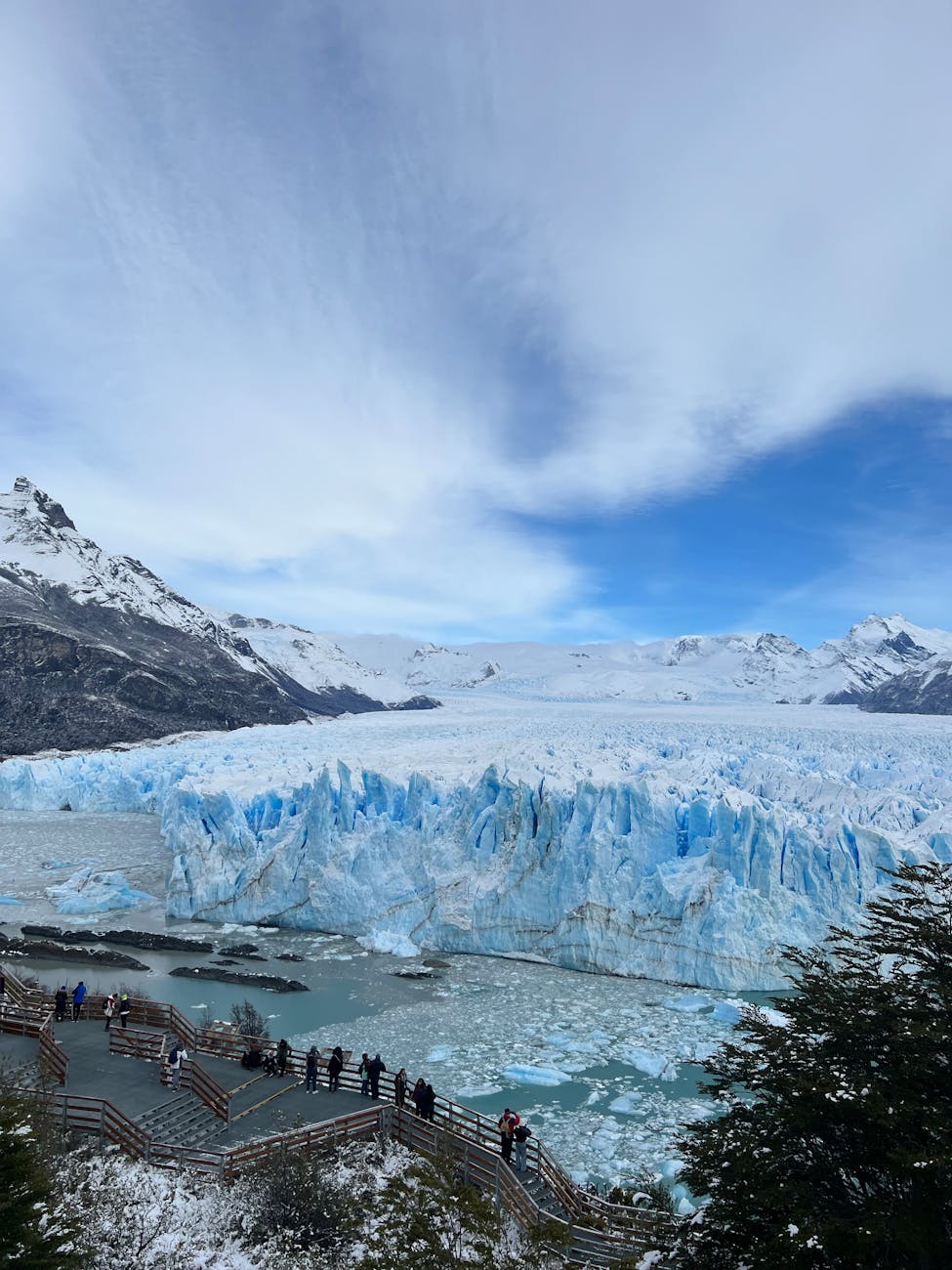
Imagine a colossal Antarctic iceberg humming a ghostly melody across frozen waters. In February 2025, Iceberg A-84, a 1,600-square-kilometer behemoth, did just that after breaking free from the George VI Ice Shelf. Its eerie, sci-fi-like sounds, captured by underwater microphones, stunned researchers and sparked global curiosity. This bizarre natural phenomenon isn’t just a head-scratcher—it’s a chilling sign of climate change and a lesson in why scientific transparency matters. What’s behind this icy tune, and why were answers so slow to surface?
A Frozen Concert Unleashed
On January 22, 2025, Iceberg A-84 calved from the George VI Ice Shelf, drifting 250 kilometers along Antarctica’s coast. The Falkor (too) research vessel, operated by the Schmidt Ocean Institute, was mapping the seafloor when hydrophones detected a low, resonant hum, like a cosmic choir. Scientists were floored, describing it as nature’s own soundtrack. But initial reports were vague, with NASA and the Schmidt team withholding details for weeks, citing “data processing.” This delay left the public in the dark, raising questions about why such a wild discovery wasn’t shared sooner.
The sounds, researchers later explained, weren’t alien signals or movie magic. They came from ice fracturing or scraping underwater ridges as A-84 moved, creating vibrations that echoed through the ocean. “It’s like the iceberg’s narrating its own journey,” said Dr. Patricia Esquete, expedition chief scientist from the University of Aveiro, Portugal.
The Science of Iceberg Songs
How does ice sing? A-84’s movements—melting, cracking, or grazing the seafloor—generated pressure waves. The ocean’s acoustics amplified these into harmonic tones, audible through sensitive hydrophones. Dr. Sasha Montelli of University College London tied it to climate change: “Warming waters are destabilizing ice shelves, triggering more calving events like this.” The hotter the planet gets, the louder these icy symphonies may become.
The Falkor (too) team, part of the UNESCO-endorsed Challenger 150 project, used remotely operated vehicles (ROVs) to explore the seafloor left bare by A-84’s exit. They found vibrant ecosystems—corals, sponges, and octopuses—hidden under the ice for centuries. These communities, fed by ocean currents, now face an uncertain future as melting disrupts their habitat. The iceberg’s music, while captivating, underscores a fragile balance.

Transparency on Ice
NASA’s Earth Observatory monitored A-84’s calving via MODIS satellites, yet their public statement lagged, blaming “complex data analysis.” This secrecy mirrored other 2025 mysteries, where delayed disclosures fueled skepticism. When the stakes involve global climate impacts, holding back answers erodes trust. Scientists eventually released hydrophone recordings, revealing the sounds’ haunting beauty, but the slow response left a lingering question: what else isn’t being shared?
A Climate Wake-Up Call
This isn’t just a quirky 2025 headline—it’s a red alert. The George VI Ice Shelf has retreated 25 miles in 50 years, and A-84’s calving signals accelerating ice loss. Rising seas threaten coastal cities, and disrupted Antarctic ecosystems could ripple through global food chains. Dr. Montelli warned, “Each note is a reminder of what’s at stake.” The music is a fleeting gift from a planet under strain, urging action before the ice falls silent.
Nature’s Song or SOS?
Is A-84’s melody a rare natural wonder or a cry for help? Scientists lean toward the latter, tying it to climate chaos, but its mystery endures. The Falkor (too) team plans further expeditions to track the ecosystem and sounds, but time’s running out. For now, this icy tune has us listening, wondering what the Antarctic will sing next.
What’s your take on this frosty phenomenon? Share your thoughts-like and drop a comment below.
Sources
- Schmidt Ocean Institute. (2025). Thriving Antarctic Ecosystems Found in Wake of Recently Detached Iceberg. Retrieved from https://schmidtocean.org
- NASA Worldview. (2025). MODIS Corrected Reflectance Imagery of Iceberg A-84 Calving. Retrieved from https://worldview.earthdata.nasa.gov
- The Washington Post. (2025). A Huge Iceberg Broke Off Antarctica. What Scientists Found Under It Startled Them. Retrieved from https://www.washingtonpost.com
- Euronews. (2025). Scientists Were in Antarctica When a Giant Iceberg Broke Free. Here’s What They Found. Retrieved from https://www.euronews.com
- Scientific American. (2025). Stunning Antarctic Sea Creatures Discovered After Iceberg Breaks Away. Retrieved from https://www.scientificamerican.com
- Youtube Video: https://youtu.be/twlkHPplODA?si=eUL3g8cTjfa22Lq9





 Ashes on Air
Thank you for taking the time to share your thoughts. Your voice is important to us, and we truly value your input. Whether you have a question, a suggestion, or simply want to share your perspective, we’re excited to hear from you. Let’s keep the conversation going and work together to make a positive impact on our community. Looking forward to your comments!