
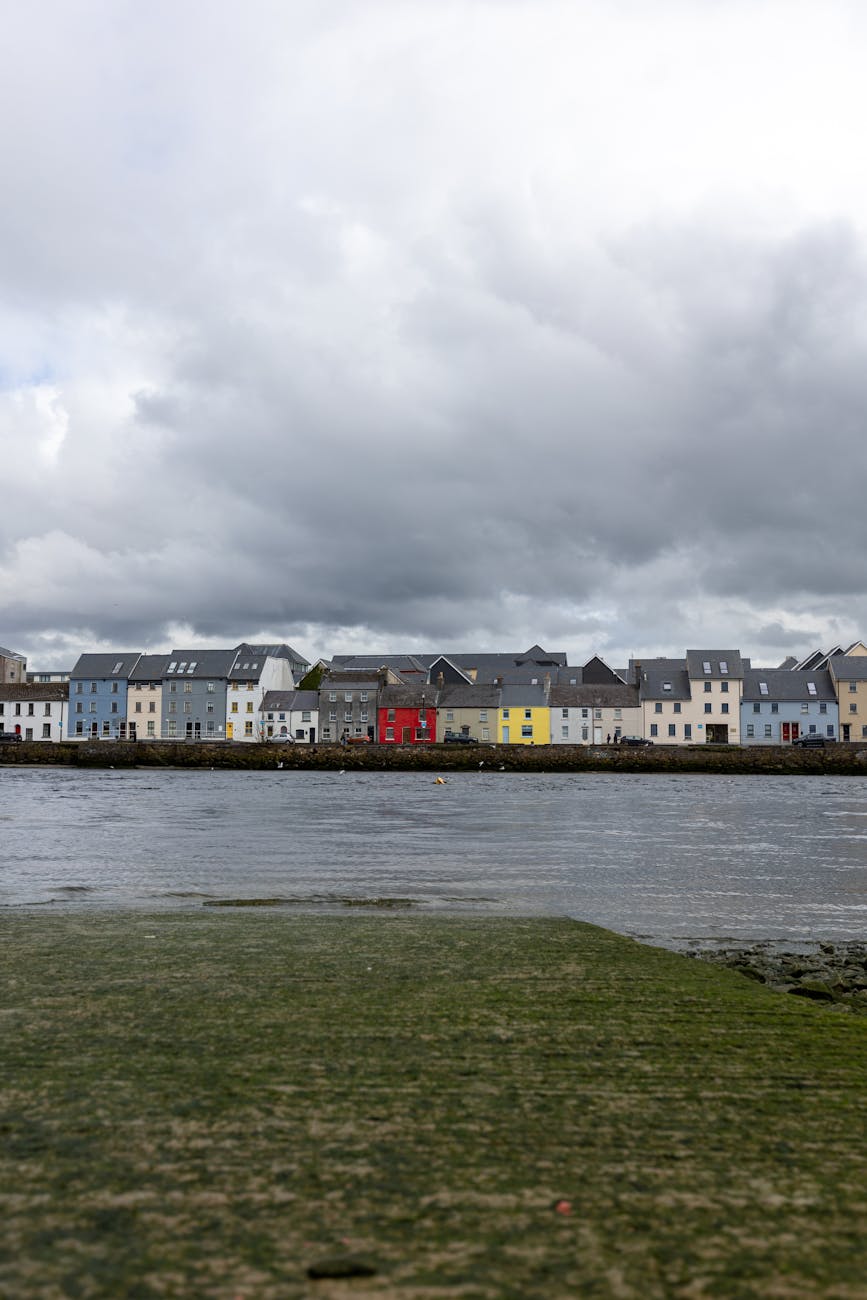
April 26, 2025
On April 26, 2025, Dublin’s city center pulsed with the sound of competing voices. Thousands marched with Irish flags, chanting “Ireland is Full,” urging tighter immigration policies. Across the street, others shouted “Refugees are welcome,” calling for openness. Gardaí stood between them, ensuring peace amid the tension. Why has Ireland, a nation of emigrants, reached such a crossroads? To understand, let’s weave through the story of these protests, from their quiet beginnings in 2022 to today’s charged moment, asking what drives this divide.
In November 2022, the working-class neighborhood of East Wall stirred with unease. Overnight, an old office block became a shelter for 65,000 refugees, part of Ireland’s response to global crises. No one had consulted the community. Why might this spark concern? With rents at €1,955 a month and healthcare stretched, locals worried about resources. Protests began, led by figures like Malachy Steenson, who emphasized practical pressures over prejudice. But how does a neighborhood’s worry grow into a national movement?
By January 2023, Dublin’s streets saw larger crowds, some carrying signs declaring “Ireland is Full.” The message resonated in a country grappling with change. Then, in November, a school stabbing, wrongly tied to an asylum seeker through unverified claims, unleashed riots. Shops burned, vehicles were torched. Why do such sparks ignite chaos? Some groups, concerned about cultural change, used the moment to amplify their message, while others saw economic strain as the root. What fuels such escalation?
The year 2024 tested Ireland further. In Coolock, plans to house asylum seekers in a former paint factory met violence—petrol bombs flew, and 15 were arrested. Housing grew scarcer, with 3,001 asylum seekers among the homeless. By April 2024, 149,200 immigrants, including 33,000 asylum seekers, had arrived. How does a small nation manage such numbers? For some, the strain on homes and services explained the unrest. For others, fears of cultural loss loomed larger. Which shapes Ireland’s response more?
A pivotal voice emerged in Conor McGregor, the UFC star whose calls to protect “Irishness” galvanized crowds. In April 2025, he urged action, describing immigration policies as a threat to Ireland’s identity, a stance echoed by some groups. Facing a 2024 legal ruling under appeal, McGregor remained influential. Why does his voice carry such weight? His words drew thousands to march from Parnell Square to the Custom House, holding signs like “Irish lives matter.” Yet, why do some view him as divisive?
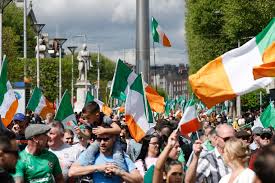
Across the street, counter-protesters, including United Against Racism, championed inclusivity, pointing to Ireland’s history of 10 million emigrants since 1800. Why does this legacy inspire some to embrace diversity? Their chants clashed with marchers, halting traffic, yet Gardaí prevented violence. The government, criticized for slow responses to housing and community concerns, deployed hundreds of officers. Gardaí faced 307 protests in 2022 and 169 more by August 2023, often stretched thin. Why might trust in authorities wane? How could dialogue shift the outcome?
Ireland’s 5.3 million people, 20% foreign-born, stand at a turning point. Why do some see immigration as a challenge to identity, while others view it as a strength? Both sides invoke Ireland’s past—one to preserve tradition, the other to extend its welcome. What path will define its future?
Rallying for Ireland’s Future
What can unite a divided nation? From East Wall in 2022 to Dublin’s 2025 protests, pressures on housing and services meet concerns about identity, while calls for inclusivity echo Ireland’s emigrant past. As the 2025 election approaches, how can Ireland balance practical needs with its values? Share this story, support community dialogue initiatives, and ask: what binds Ireland together?
Sources
- The Irish Times. (2025). “Thousands turn out to protest against immigration in Dublin.” irishtimes.com
- The Times of India. (2025). “Ireland faces unprecedented civil unrest as anti-migrant sentiment boils over.” timesofindia.indiatimes.com
- EUROPP. (2024). “Why are people protesting against asylum seekers in Ireland?” blogs.lse.ac.uk
- Wikipedia. (2024). “Irish anti-immigration protests.” en.wikipedia.org
- BBC News. (2024). “Irish election: View of immigration one year since Dublin riots.” bbc.co.uk
- The Guardian. (2023). “Government is not listening: anger over immigration spills into riot on Dublin’s streets.” theguardian.com




 Ashes on Air
Thank you for taking the time to share your thoughts. Your voice is important to us, and we truly value your input. Whether you have a question, a suggestion, or simply want to share your perspective, we’re excited to hear from you. Let’s keep the conversation going and work together to make a positive impact on our community. Looking forward to your comments!