
April 24, 2025
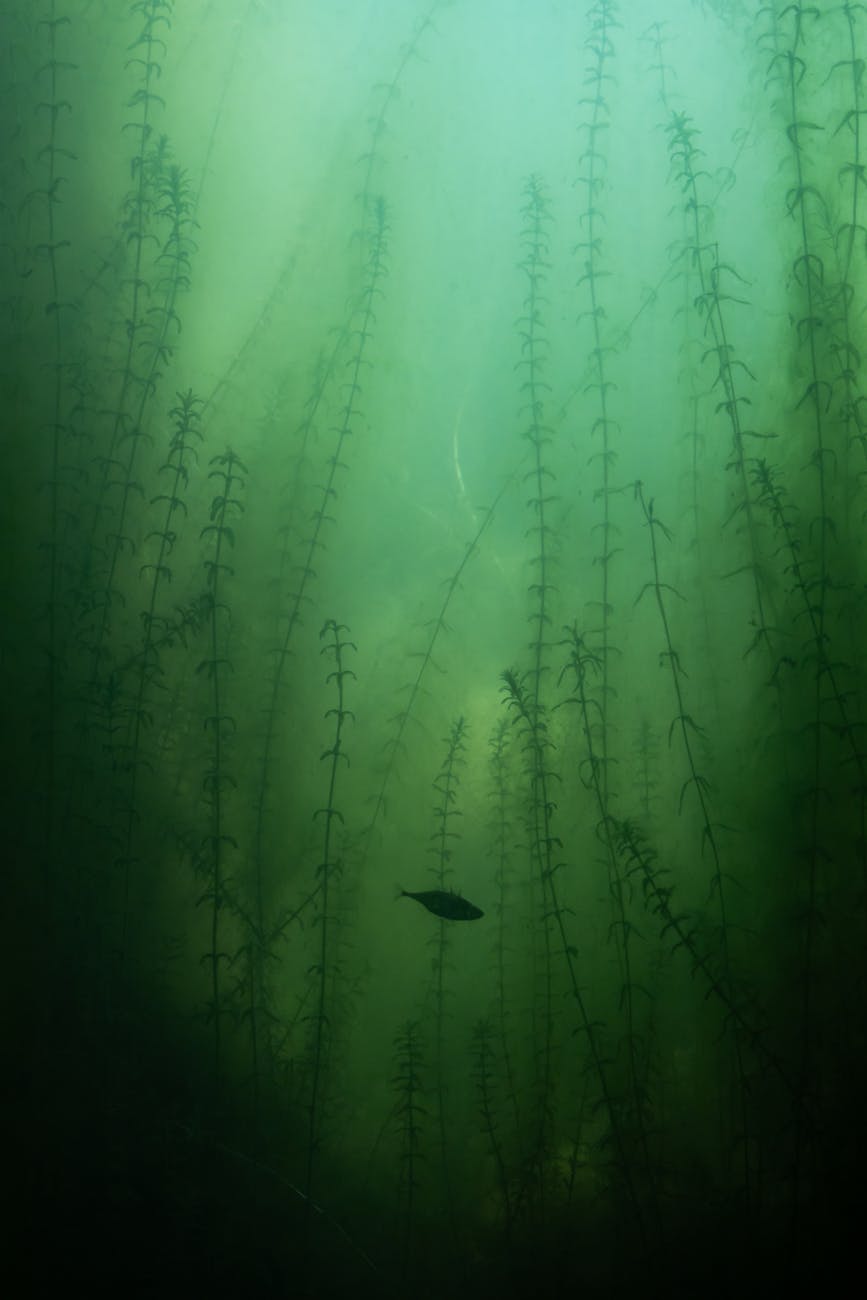
Lough Neagh, Northern Ireland’s largest freshwater lake, is in peril. Toxic blue-green algae blooms have transformed this ecological and cultural gem into a cautionary tale of environmental neglect. Supplying 40% of the region’s drinking water and supporting Europe’s largest wild eel fishery, the lake is a lifeline for communities. Yet, fish are dying, birds are disappearing, and even dogs have perished after contact with its toxic waters. The Lough Neagh algae crisis demands urgent action—here’s why it’s happening, what’s at stake, and how we can save it.
The Algae Crisis Gripping Lough Neagh
Blue-green algae, primarily Microcystis aeruginosa, have overrun Lough Neagh, fueled by decades of nutrient pollution. Agricultural runoff accounts for 62% of the lake’s phosphorus, with sewage (24%) and septic tanks (12%) adding to the mess. Warmer waters from climate change and invasive zebra mussels, which increase water clarity and boost algae growth, have created a perfect storm. Since 2023, blooms have hit levels unseen since the 1970s, producing toxins like microcystins that exceed WHO safety limits for recreational use.
The ecological toll is staggering. The Lough Neagh fly, a critical food source, vanished in 2023, leaving eels “skinny and starved” and threatening the fishery. Insect populations have crashed, aquatic plants are fading, and biodiversity is plummeting. While some species cling on, the lake’s ecosystem is on the brink of collapse.
Why Is the Response So Slow?
The Lough Neagh pollution crisis has been brewing for decades, yet solutions lag. Here’s why:
- Political Gridlock: Northern Ireland’s Stormont Assembly was suspended from 2022 to 2024, halting environmental policies. Even now, cross-party consensus remains elusive.
- Complex Pollution Sources: Regulating agriculture, upgrading sewage systems, and inspecting septic tanks require time, money, and political will. Farmers resist stricter rules, fearing economic losses.
- Underfunded Agencies: The Northern Ireland Environment Agency lacks resources to monitor or penalize polluters effectively.
- Long-Term Fixes: Solutions like wetland restoration and buffer zones take years to implement and decades to show results. Climate change complicates matters further.
- Private Ownership: The lakebed’s ownership by a private estate muddies governance and accountability.
A 2023 action plan by the Department of Agriculture, Environment and Rural Affairs (DAERA) exists, but critics call it toothless, lacking clear timelines. Public protests, like the 2023 “wake” for Lough Neagh, have raised awareness, but sustained momentum is weak.
The Human and Cultural Cost
Lough Neagh isn’t just a lake—it’s a way of life. Fishermen face dwindling catches and a tainted market, with locals asking, “Who wants to eat eels swimming in sewage?” Tourism, once vibrant with sailing and watersports, has plummeted as health warnings deter visitors. Communities mourn the loss of a cultural touchstone where generations made memories. Even drinking water, though treated, carries a stigma.
The slow response fuels frustration. As one resident put it, “It’s like watching a loved one fade while nobody acts.” The Lough Neagh crisis is a betrayal of both nature and the people who depend on it.
How to Save Lough Neagh
Recovery is possible, but it requires bold action. Experts recommend:
- Reduce Nutrient Runoff: Enforce stricter farming regulations and create buffer zones to limit slurry and fertilizer pollution.
- Upgrade Sewage Systems: Invest in modern infrastructure to cut sewage discharges.
- Restore Wetlands: Rebuild natural filters to absorb excess nutrients.
- Increase Monitoring: Empower the Northern Ireland Environment Agency with funding and staff.
- Raise Awareness: Support campaigns like Save Lough Neagh to keep pressure on policymakers.
Individuals can help by choosing sustainable products, joining clean-up efforts, and advocating for environmental funding. Learn more about supporting local conservation efforts on Ashes on Air.
Rallying for Lough Neagh’s Future
The Lough Neagh algae crisis is a wake-up call. This lake, a cornerstone of Northern Ireland’s heritage, economy, and environment, is slipping away. Without swift action, its ecosystem could collapse, taking jobs, traditions, and biodiversity with it. But there’s hope—pilot projects, like wetland restoration and farm inspections, began in 2024. Scaling these efforts, backed by public and political will, could turn the tide.
Act now: share this story, support local environmental initiatives, and demand accountability. Lough Neagh’s future depends on us. Let’s not let it become a memory.
Sources
- Lough Neagh Partnership. (2023). Lough Neagh Action Plan Response. loughneaghpartnership.org
- Department of Agriculture, Environment and Rural Affairs (DAERA). (2023). Lough Neagh Action Plan. daera-ni.gov.uk
- BBC News. (2024). “Lough Neagh: Algae Crisis Threatens Eel Fishery and Wildlife.” bbc.co.uk
- The Guardian. (2023). “Toxic Algae Blooms Choke Lough Neagh, Prompting Protests.” theguardian.com
- Northern Ireland Environment Agency. (2024). Water Quality Report: Lough Neagh. ni-environment.gov.uk
- Save Lough Neagh Campaign. (2024). Community Action Updates. saveloughneagh.org
- YouTube video: https://youtube.com/shorts/dxFMae8Nn5U?si=G4FKkEPhBuSjW4SD




 Ashes on Air
Thank you for taking the time to share your thoughts. Your voice is important to us, and we truly value your input. Whether you have a question, a suggestion, or simply want to share your perspective, we’re excited to hear from you. Let’s keep the conversation going and work together to make a positive impact on our community. Looking forward to your comments!