

April 20, 2025
Mars, a crimson enigma cloaked in red dust, stirs humanity’s boldest dreams. Its ancient rivers and towering peaks whisper of life’s origins and a future beyond Earth. In 2025, the quest to walk on the Red Planet surges—NASA plots for the 2030s, SpaceX bets on 2029, and global players like China and Europe chase their own paths. Yet, a 300-million-kilometer void, bristling with radiation and technical perils, stands in the way. Primary data from mission planners—NASA’s simulations, SpaceX’s rocket tests—lights the road but reveals a grueling climb. Will we ever walk on Mars? The answer lies in steel, science, and the stubborn will to reach the stars.

NASA’s Measured Stride
NASA aims for a crewed Mars mission in the late 2030s or early 2040s, leveraging its Artemis program. Artemis I, launched November 16, 2022, validated the Space Launch System (SLS) and Orion spacecraft for deep-space travel, per NASA’s Artemis overview. By 2026, Artemis plans lunar outposts to test Mars-bound tech like habitats and propulsion, per NASA’s Humans to Mars report. The Crew Health and Performance Exploration Analog (CHAPEA), completed July 6, 2024, simulated a year-long Mars mission in a 1,700-square-foot habitat at Johnson Space Center, yielding data on crew health, food, and isolation, per NASA’s CHAPEA mission log.
NASA’s plan envisions a 30-day, two-person Mars surface mission with 25 tons of pre-delivered supplies and a 500-day round-trip, per NASA’s Mars Architecture report. Radiation—a 0.66-sievert dose, nearing NASA’s career limit—requires untested shielding, per NASA’s 2013 radiation studies. The SLS, built for lunar missions, needs upgrades for Mars’s demands, and nuclear propulsion is years off, per NASA’s propulsion division. A 2019 internal review ruled out 2033 due to tech and budget gaps, pegging the late 2030s as feasible, per NASA’s Office of Inspector General.
SpaceX’s High-Stakes Bet
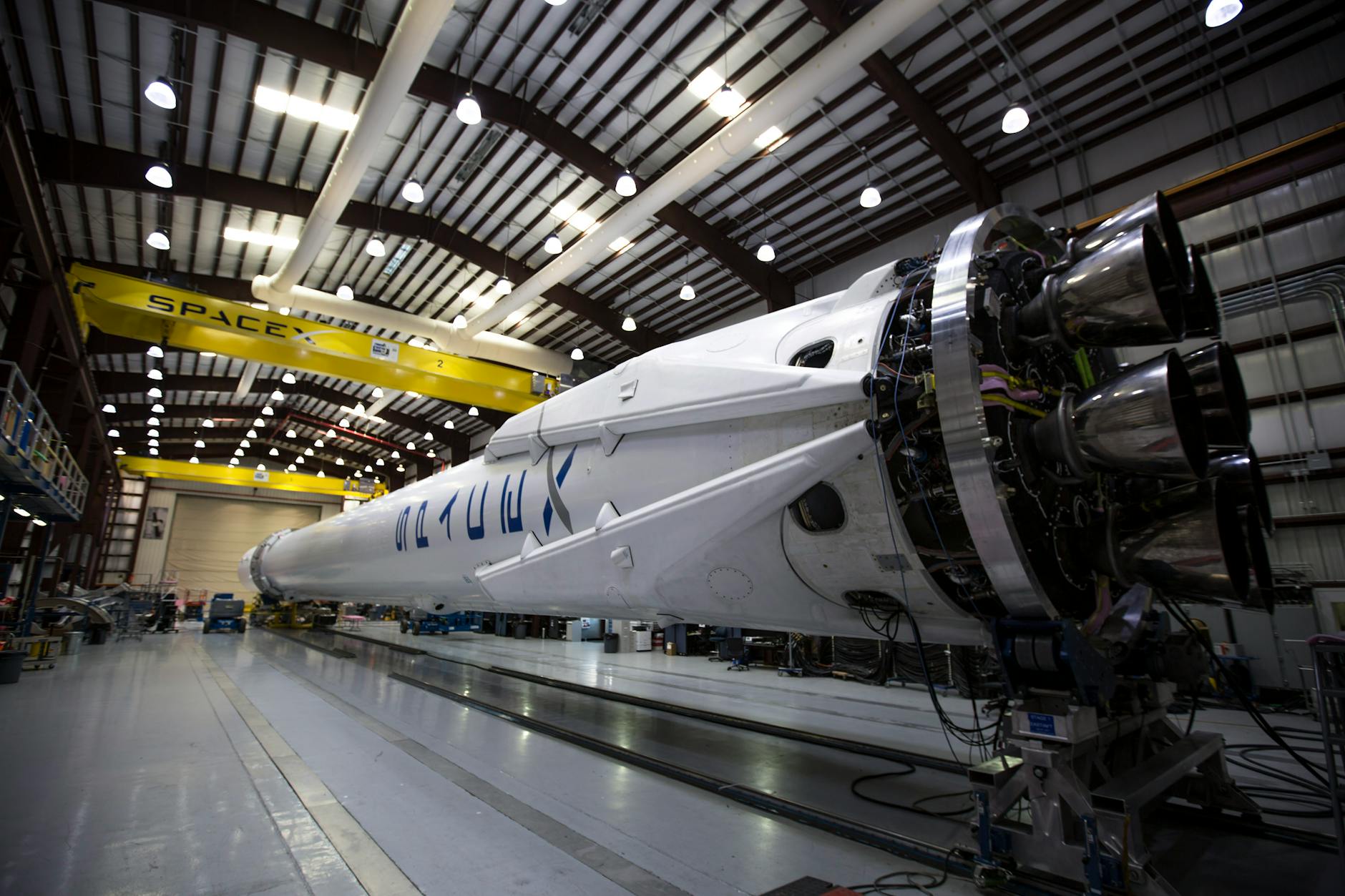
Elon Musk’s SpaceX targets a crewed Mars landing in 2029 or 2031, banking on Starship’s reusable design. On April 10, 2025, SpaceX announced a 2026 robotic mission with Optimus robots to scout sites, per SpaceX’s mission updates. Starship, designed for 100-ton payloads, depends on orbital refueling (10–20 tanker launches) and Martian fuel production (methane and oxygen from CO2 and water ice). Musk aims for a million-person colony by 2100, per SpaceX’s Mars mission page.
Starship’s fifth test flight, delayed to November 2024 over environmental concerns, signals challenges, per SpaceX’s environmental impact statement. Orbital refueling and fuel production remain unproven, critical for the 259-day Hohmann transfer orbit that stretches missions to three years, per SpaceX’s trajectory models. Radiation and psychological strain—evident in the 2007–2011 Mars 500 experiment’s social tensions—are hurdles, per ESA’s Mars 500 data.
Global Ambitions: China and Europe
China’s National Space Administration (CNSA) eyes a crewed Mars mission in the 2030s, with a 2028 robotic precursor, per CNSA’s 2024 exploration outline. Details are scarce, but the Tianwen-3 sample return mission, set for 2028, underscores intent, per CNSA’s releases. The European Space Agency (ESA) prioritizes the ExoMars rover, delayed to 2028, with no crewed spacecraft, per ESA’s ExoMars program. ESA’s human missions likely fall beyond 2040, focusing on lunar collaboration, per ESA’s Human Spaceflight division.
The Prize: Knowledge and Survival
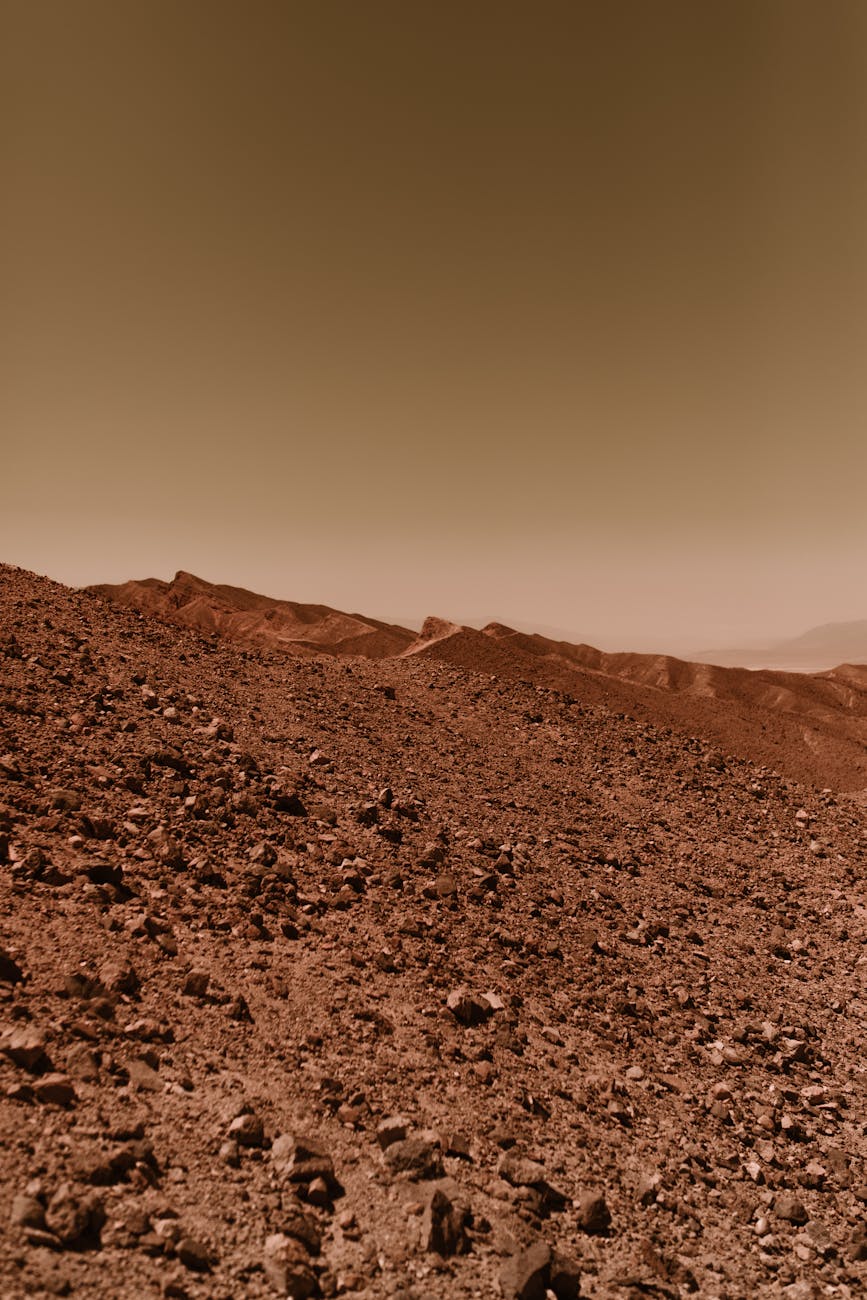
A Mars landing could unravel geologic secrets and signs of ancient life, building on Perseverance’s samples for a 2027 return, per NASA’s Mars Sample Return program. A multi-planetary future could shield humanity from Earth’s catastrophes, a SpaceX cornerstone, per SpaceX’s mission statement. Costs—$500 billion for NASA’s plan, per 2010 estimates—strain budgets, per NASA’s budget archives. Ethical tensions simmer: colonizing Mars while Earth’s climate falters sparks debate, and microbial contamination risks Mars’s biosphere, per ESA’s planetary protection guidelines.
The Obstacles: Rockets, Radiation, and Resolve
Mars’s thin atmosphere—1% of Earth’s—demands precise retropropulsive landings, a challenge for Starship’s heat shield, per SpaceX’s flight test reports. Fuel production on Mars, vital for return trips, lacks large-scale testing, per NASA’s propulsion studies. Radiation raises cancer risks, and Mars’s 38% Earth gravity stresses muscles, per NASA’s human research program. A 20-minute communication lag isolates crews, amplifying psychological strain, as ESA’s Mars 500 showed, per ESA’s human spaceflight data.
The Verdict: When Will We Arrive?
SpaceX’s 2029–2031 target rides on Starship’s 2026 robotic tests mastering refueling and fuel production, but the mid-2030s is more likely. NASA’s late 2030s to early 2040s depends on Artemis and stable funding. Without breakthroughs, 2050 looms. Mars’s red dust dreams test humanity’s grit, but the stars wait for no one.
Sources
- NASA, Artemis Program Overview, March 1, 2025: https://www.nasa.gov/artemis
- NASA, CHAPEA Mission Log, July 6, 2024: https://www.nasa.gov/chapea
- SpaceX, Mars Mission Updates, April 10, 2025: https://www.spacex.com
- ESA, ExoMars Program, January 15, 2025: https://www.esa.int/Science_Exploration/Human_and_Robotic_Exploration/Exploration/ExoMars
- CNSA, Lunar and Planetary Exploration Outline, February 2024: http://www.cnsa.gov.cn
- NASA, Mars Architecture Report, October 2024: https://www.nasa.gov/mars-architecture
- NASA, Human Research Program, Radiation Studies, 2013: https://www.nasa.gov/hrp




 Ashes on Air
Thank you for taking the time to share your thoughts. Your voice is important to us, and we truly value your input. Whether you have a question, a suggestion, or simply want to share your perspective, we’re excited to hear from you. Let’s keep the conversation going and work together to make a positive impact on our community. Looking forward to your comments!