
April 16, 2025
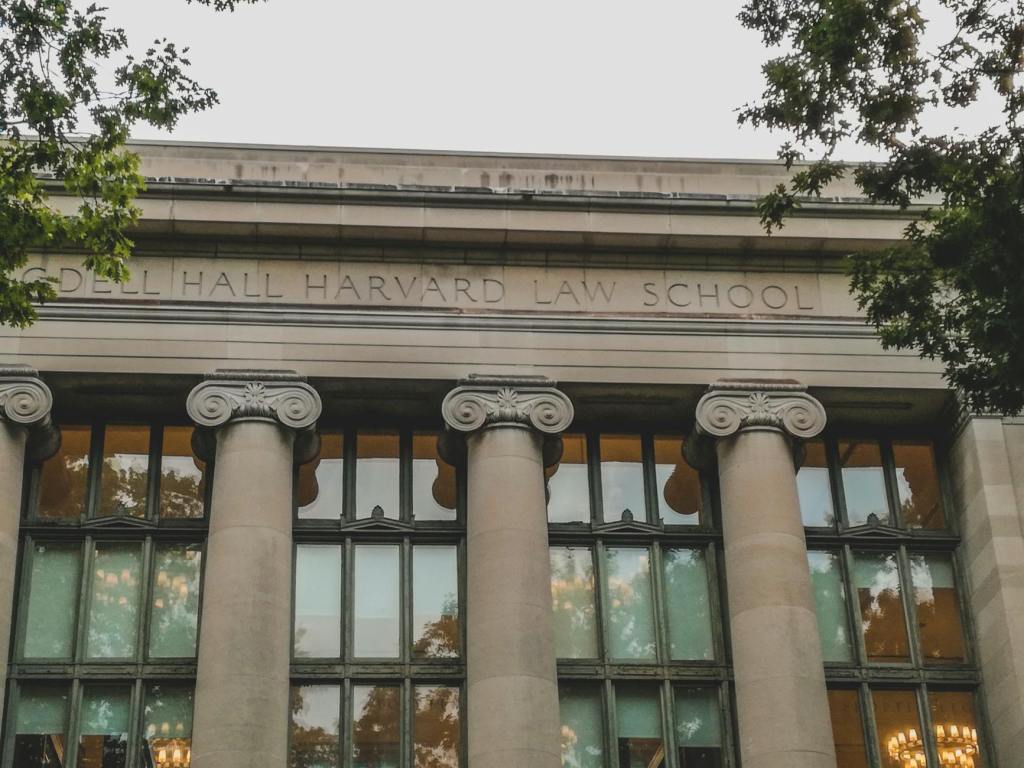
The Trump administration’s escalating conflict with American universities has sparked widespread controversy in 2025, driven by allegations of antisemitism and massive federal funding cuts. Elite institutions like Harvard, Columbia, and Johns Hopkins are grappling with billions in frozen grants, igniting debates over academic freedom, government overreach, and campus prejudice. This article explores the evidence behind the administration’s antisemitism claims, the financial impact on universities, and the broader implications for higher education.
A Strained Relationship: Trump and Higher Education
The Trump administration’s scrutiny of universities intensified after President Donald Trump’s return to office, building on his 2019 Executive Order on Combating Anti-Semitism, which extended Title VI protections to Jewish students. The October 7, 2023, Hamas attack on Israel fueled campus protests, prompting accusations of antisemitic harassment. In January 2025, Trump’s new Executive Order on Additional Measures to Combat Antisemitism established a Federal Task Force, targeting 60 universities with investigations and funding reviews. The administration’s evidence, rooted in complaints and specific incidents, remains a focal point of contention.
Evidence of Antisemitism: What’s Driving the Claims?
The Trump administration bases its antisemitism allegations on formal complaints and investigations, primarily under Title VI of the Civil Rights Act of 1964, which prohibits discrimination based on shared ancestry, including Jewish heritage. The U.S. Department of Education’s Office for Civil Rights (OCR) is central to these efforts, addressing a backlog of complaints from 2023 onward.
Key Evidence Sources
- OCR Complaints: A surge in antisemitic harassment complaints since October 2023 underpins investigations into 60 universities, as noted in an OCR press release. These complaints cite verbal attacks and exclusionary behavior during pro-Palestinian protests.
- Federal Task Force: The Task Force to Combat Antisemitism is visiting 10 campuses, including Harvard and Columbia, to probe alleged failures in protecting Jewish students, per the Department of Justice.
- Notable Incidents: Columbia University lost $400 million in grants due to “persistent harassment” of Jewish students, as reported by the New York Times. Muhlenberg College resolved an investigation by firing a professor accused of targeting Jewish students, per Reuters.
Types of Incidents
Reported incidents include antisemitic graffiti, verbal harassment, and exclusion from campus events, often linked to Gaza war protests. The administration argues these create hostile environments, though distinguishing between anti-Israel sentiment and antisemitism is debated.
Controversy: Defining Antisemitism
The administration’s broad adoption of the International Holocaust Remembrance Alliance (IHRA) definition, which includes some anti-Israel criticism as antisemitic, has stirred controversy. Kenneth Stern, an IHRA definition co-author, argues this approach stifles free speech, especially when Jewish students join pro-Palestinian protests, as noted in NPR. Congressman Jerry Nadler claims Trump exploits antisemitism to control universities, per The Guardian. Critics see political motives, while supporters emphasize the need to protect Jewish students.
Funding Crisis: Universities in Peril
The administration’s response includes severe funding cuts, threatening university operations and research. Key institutions affected as of April 16, 2025, include:
| University | Funding Affected | Reason |
|---|---|---|
| Harvard University | $8.7 billion under review | Antisemitism, non-compliance with demands |
| Columbia University | $400 million canceled | Harassment of Jewish students |
| Johns Hopkins University | $4 billion at risk | Antisemitism investigation |
| University of Pennsylvania | $175 million suspended | Antisemitism, transgender swimmer issue |
| Cornell University | $1 billion frozen | Civil rights violations, antisemitism |
| Northwestern University | $800 million frozen | Civil rights violations, antisemitism |
These cuts jeopardize research in medicine, technology, and defense. Cornell’s freeze affects cancer and cybersecurity studies, while Johns Hopkins risks medical breakthroughs. The economic impact is profound, given universities’ role in innovation.
University Responses: Defiance vs. Compliance
Harvard, led by President Alan Garber, has rejected administration demands, citing threats to academic freedom, as stated in the Harvard Gazette. Faculty lawsuits, backed by the American Association of University Professors (AAUP), seek to block funding reviews, per Reuters. Columbia faces internal pressure to comply, while Muhlenberg College resolved issues by dismissing faculty. These varied responses reflect the tension between financial survival and institutional autonomy.
Funding Legal Battles: Student Tuition and Tax Dollars
Concerns persist about universities using student tuition and taxpayer funds for legal battles. Private institutions like Harvard rely on general funds, including tuition and endowments, for legal costs. Public universities, such as those in California suing over NIH cuts, may use state budgets, per the California Attorney General. Faculty lawsuits, often funded by AAUP donations, reduce direct university spending. However, using general funds raises ethical questions about prioritizing litigation over education.
Implications for Higher Education
This conflict has far-reaching consequences:
- Academic Freedom: Demands for program audits threaten university autonomy, risking ideological conformity.
- Research Innovation: Funding cuts could hinder scientific and technological advancements, impacting U.S. competitiveness.
- Campus Climate: Tensions between Jewish and pro-Palestinian students complicate inclusive environments.
- Political Divide: The dispute highlights ideological battles, with universities seen as liberal bastions.
Former President Barack Obama praised Harvard’s resistance, calling the administration’s actions “unlawful,” as reported by the BBC. This underscores the political stakes of this academic showdown.
A Pivotal Moment for Academia
The Trump administration’s evidence—OCR complaints, task force probes, and specific incidents—drives its antisemitism allegations, justifying funding cuts. Yet, the lack of detailed public evidence and debates over antisemitism’s definition fuel accusations of overreach. Universities face a delicate balance between defending autonomy and securing funds, with legal battles drawing on student and taxpayer resources.
This crisis tests the resilience of American higher education, raising questions about prejudice, free speech, and government influence. The outcome will shape universities’ future, balancing protections for Jewish students with academic independence, demanding ongoing scrutiny.
Sources
- U.S. Department of Education’s Office for Civil Rights Sends Letters to 60 Universities Under Investigation for Antisemitic Discrimination
- Federal Task Force to Combat Antisemitism Announces Visits to 10 College Campuses
- Trump Officials Warn 60 Colleges of Possible Antisemitism Penalties
- These universities are in Trump’s crosshairs. Many don’t know why.
- Kenneth Stern says Trump’s antisemitism definition stifles Jewish speech
- Jerry Nadler on Trump’s university attacks: ‘He doesn’t give a damn about antisemitism’
- Harvard won’t comply with Trump administration’s demands
- Harvard professors sue over Trump’s review of $9 billion in funding
- Attorney General Bonta Sues Trump Administration over Unlawful NIH Funding Cuts
- Obama calls Trump administration’s freeze on Harvard funding ‘unlawful’





 Ashes on Air
Thank you for taking the time to share your thoughts. Your voice is important to us, and we truly value your input. Whether you have a question, a suggestion, or simply want to share your perspective, we’re excited to hear from you. Let’s keep the conversation going and work together to make a positive impact on our community. Looking forward to your comments!