
April 8, 2025
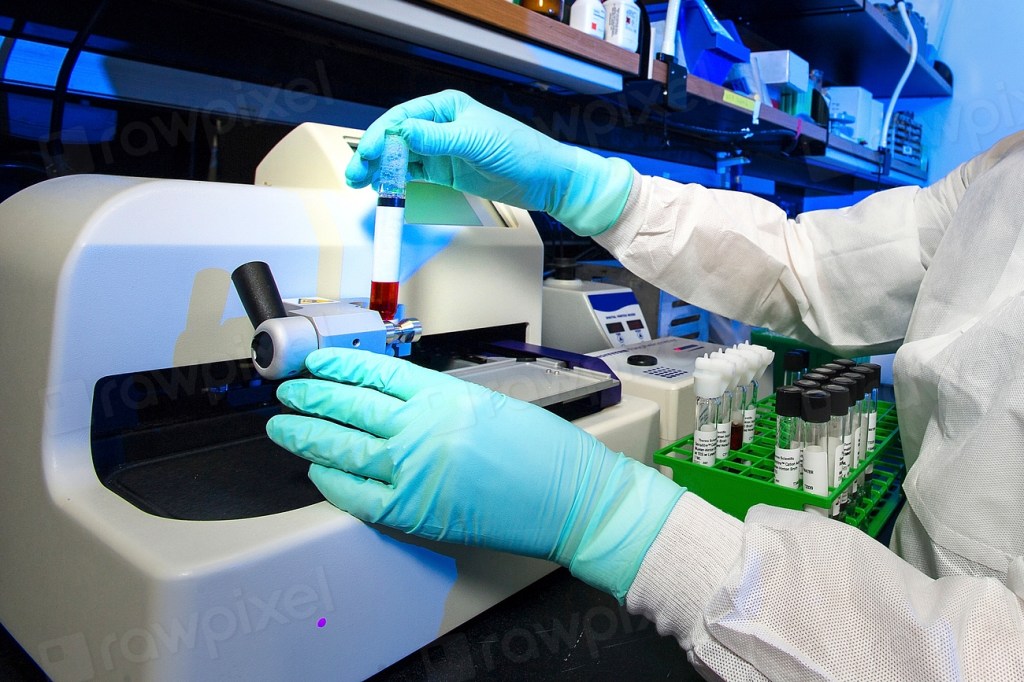
The Earth faces unprecedented environmental challenges—climate change, biodiversity loss, and pollution threaten ecosystems and human well-being. While traditional approaches like reducing emissions and recycling are crucial, they often fall short in addressing the scale of these crises. Enter synthetic biology, a field that combines biology, engineering, and technology to design and modify organisms for specific purposes. By harnessing the power of living systems, synthetic biology offers innovative solutions to some of our planet’s most pressing problems, from cleaning up pollution to creating sustainable materials. Let’s dive into how this emerging science is reshaping environmental solutions and what it means for a sustainable future.
What Is Synthetic Biology?
Synthetic biology involves engineering biological systems—such as microbes, plants, or even synthetic cells—to perform new functions or improve existing ones. Unlike traditional genetic modification, which often tweaks a single gene, synthetic biology redesigns entire biological pathways or creates novel organisms that don’t exist in nature. The Convention on Biological Diversity defines it as “a further development and new dimension of modern biotechnology that combines science, technology, and engineering to facilitate and accelerate the understanding, design, redesign, manufacture and/or modification of genetic materials, living organisms, and biological systems.” This interdisciplinary approach allows scientists to program life at a molecular level, opening up possibilities for environmental applications that were once unimaginable.
Tackling Pollution with Engineered Microbes
One of the most promising applications of synthetic biology is in pollution remediation. Microbes have long been nature’s cleanup crew, breaking down organic waste, but synthetic biology takes this a step further by enhancing their capabilities. For example, researchers have engineered bacteria to degrade plastic waste, a major environmental pollutant. In 2025, scientists at the University of California, Berkeley, developed bacteria that convert polyethylene terephthalate (PET) plastic into biodegradable materials, addressing the global plastic crisis that sees only 9% of plastic waste recycled annually, according to the United Nations Environment Programme. These microbes break down PET into smaller compounds, which are then transformed into polyhydroxyalkanoates (PHA), a biodegradable plastic alternative.
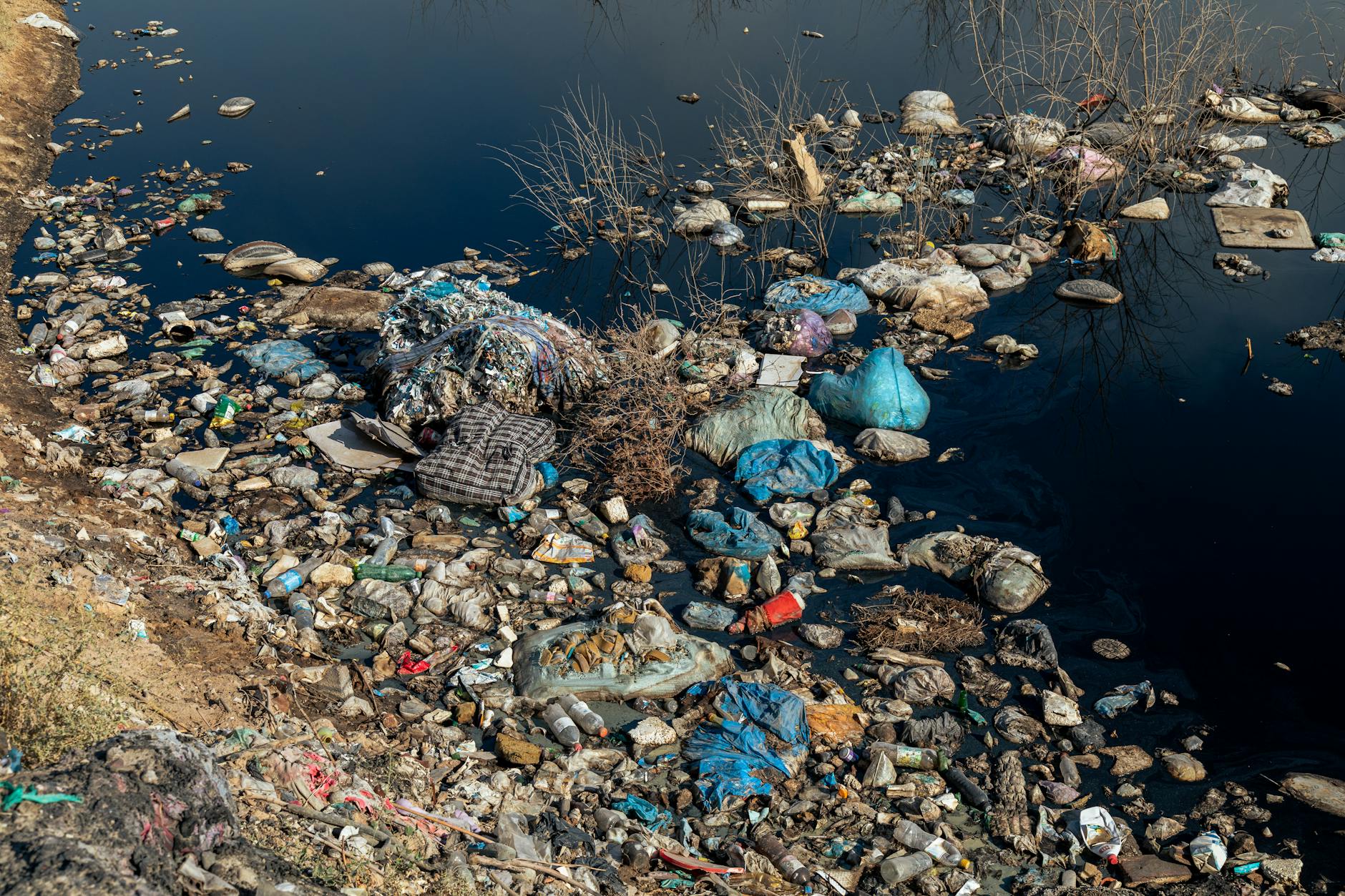
Similarly, synthetic biology is being used to tackle water pollution. A study published in Frontiers in Environmental Science explored public attitudes toward synthetic biology solutions for environmental problems, including bioremediation of waterways. Engineered pseudo-organisms can be designed to break down emerging contaminants like microplastics, persistent organic pollutants, and even pharmaceuticals that conventional wastewater treatment can’t handle. For instance, a 2025 project by the CSIRO Synthetic Biology Future Science Platform in Australia developed a synthetic organism capable of degrading per- and polyfluoroalkyl substances (PFAS), known as “forever chemicals,” in contaminated water sources. This breakthrough could prevent long-term ecological damage, as PFAS are linked to health issues in wildlife and humans.
Sustainable Agriculture: Feeding the Future
With the global population projected to reach 10 billion by 2050, according to the United Nations, agriculture faces immense pressure to produce more food sustainably. Synthetic biology offers solutions by engineering crops and microbes to enhance resilience and reduce environmental impact. Companies like Pivot Bio have developed nitrogen-producing microbes that deliver nutrients directly to crops, reducing reliance on synthetic fertilizers, which contribute to greenhouse gas emissions and water pollution. In 2025, Pivot Bio’s product for corn and wheat fields showed a 20% reduction in fertilizer use while maintaining yields, a step toward sustainable farming.

Synthetic biology also enables the creation of pest-resistant crops, reducing the need for chemical pesticides. For example, researchers have engineered plants with synthetic pathways that produce natural insect-repellent compounds, such as those found in certain wild species, without altering the plant’s core genetics. This approach not only protects biodiversity by reducing pesticide runoff but also supports food security by ensuring stable crop yields in the face of climate change-induced pest pressures.
Carbon Capture and Climate Mitigation
Climate change remains a critical challenge, and synthetic biology is stepping up with innovative carbon capture solutions. Engineered microbes can convert CO2 into valuable bioproducts, reducing atmospheric carbon while producing sustainable materials. In 2025, a study published on ScienceDirect highlighted a synthetic co-culture of Chlamydomonas reinhardtii (a type of algae) and Escherichia coli that bioconverts CO2 into bioproducts like ethanol and biohydrogen. This process not only sequesters carbon but also provides renewable energy sources, addressing two environmental issues at once.

Wyss Institute startup Circe Bioscience is another leader in this space, engineering microbes to consume greenhouse gases and produce food-grade fats, mimicking cocoa butter and palm oil with a smaller carbon footprint. This reduces deforestation linked to palm oil production, a major driver of climate change. Additionally, synthetic biology is exploring “weathering” microbes that enhance the natural process of carbon sequestration in oceans, potentially storing billions of tons of CO2 in marine sediments over time.
Restoring Biodiversity Through De-Extinction and Conservation
Biodiversity loss is accelerating, with one-third of all species potentially facing extinction by 2070 due to climate change, according to a University of Arizona study. Synthetic biology offers tools to restore ecosystems and protect endangered species. For instance, the American chestnut tree, nearly wiped out by a fungal blight in the early 20th century, has been engineered with a wheat gene to resist the fungus, marking a potential return to North American forests. This project, led by the American Chestnut Foundation, could be the first genetically modified organism released into the wild, pending regulatory approval.

Organizations like Revive & Restore are using synthetic biology to protect endangered species, such as the black-footed ferret, by engineering resistance to diseases like sylvatic plague. On a larger scale, the International Union for Conservation of Nature (IUCN) is developing a 2025 policy on synthetic biology and nature conservation, exploring how engineered organisms can address threats like invasive species. For example, synthetic biology could create gene drives to control invasive pests, such as rodents on islands, by altering their reproductive capabilities, thus protecting native ecosystems.
Challenges and Ethical Considerations
While synthetic biology holds immense promise, it’s not without challenges. Scaling these solutions from lab to real-world environments is complex—engineered microbes may behave unpredictably outside controlled settings, as noted in a 2025 Markets and Markets report on the synthetic biology market. For instance, a microbe designed to degrade plastic might struggle with nutrient availability in the wild, reducing its effectiveness. Variability in biological systems also poses reproducibility issues, requiring robust monitoring and adaptive strategies.

Ethical concerns are significant. If engineered organisms are released into nature, could they outcompete native species or transfer synthetic genes to unintended hosts? The IUCN highlights the polarized debate within the conservation community, with some advocating for synthetic biology’s potential to solve “unsolvable” problems, while others fear ecological disruption. Biosafety measures, such as genetic safeguards that limit an organism’s survival outside specific conditions, are being developed, but current systems often fall short of strict safety standards (e.g., less than 1 cell per 100 million surviving, per National Institutes of Health guidelines).
Accessibility is another issue—will these solutions be available to all, or only to wealthy nations and corporations? The synthetic biology market is projected to reach $61.6 billion by 2029, growing at a 26.1% CAGR, but ensuring equitable access remains a challenge, especially for developing countries facing the brunt of environmental crises.
A Path Forward for Sustainability
Synthetic biology is poised to transform environmental solutions, offering hope for a sustainable future. From degrading plastic waste to capturing carbon and restoring biodiversity, these advancements show what’s possible when we harness life’s building blocks. However, their success depends on addressing ethical, ecological, and accessibility challenges through transparent collaboration between scientists, policymakers, and communities. As we navigate this new frontier, synthetic biology reminds us that innovation, when guided by responsibility, can heal our planet—one microbe, one plant, one ecosystem at a time. What environmental solution excites you most? Share your thoughts!
Key Citations
- Convention on Biological Diversity: Synthetic Biology Definition
- United Nations Environment Programme: Global Plastics Outlook
- Frontiers in Environmental Science: Public Attitudes Toward Synthetic Biology
- CSIRO Synthetic Biology Future Science Platform
- United Nations: World Population Projections
- Pivot Bio: Nitrogen-Producing Microbes
- ScienceDirect: Synthetic Co-Culture for Carbon Capture
- Wyss Institute: Circe Bioscience
- Circe Bioscience: Greenhouse Gas to Food-Grade Fats
- University of Arizona: Biodiversity Loss Study
- American Chestnut Foundation: Engineered Chestnut Trees
- Revive & Restore: Black-Footed Ferret Conservation
- International Union for Conservation of Nature: Synthetic Biology Policy
- Markets and Markets: Synthetic Biology Market Report
- National Institutes of Health: Biosafety Guidelines
- https://colossal.com/how-de-extinction-works/




 Ashes on Air
Thank you for taking the time to share your thoughts. Your voice is important to us, and we truly value your input. Whether you have a question, a suggestion, or simply want to share your perspective, we’re excited to hear from you. Let’s keep the conversation going and work together to make a positive impact on our community. Looking forward to your comments!