
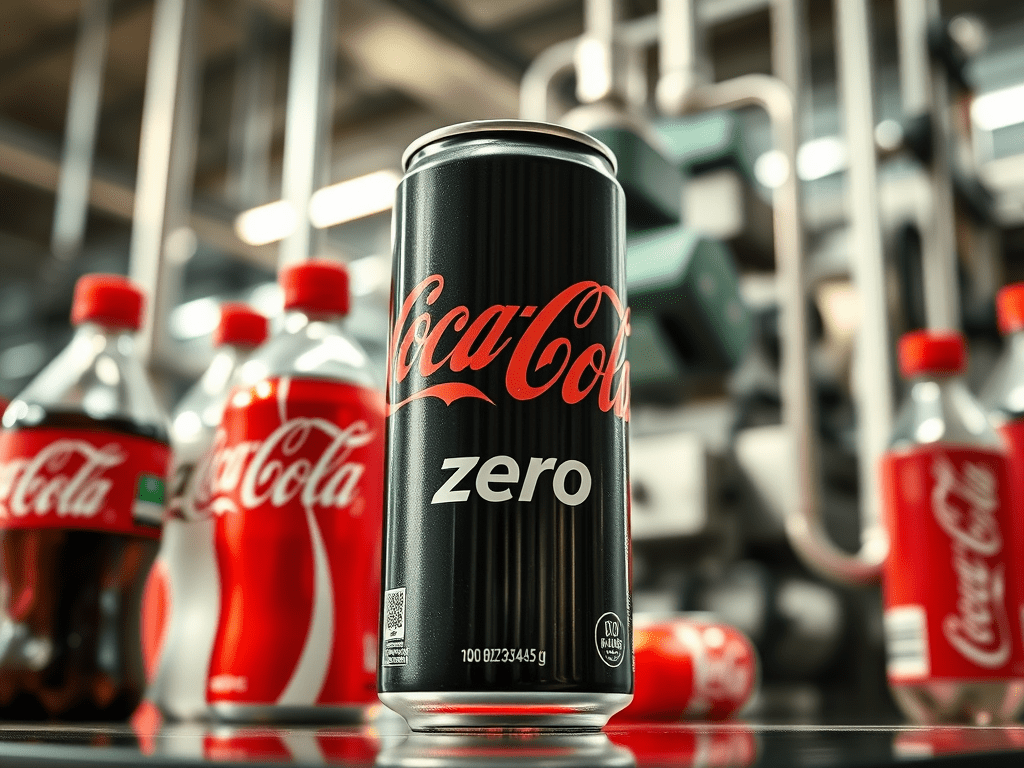
Wednesday , March 27, 2025, PST – Coca Cola’s 2025 recall of soft drinks in Europe due to elevated chlorate levels raises questions about production safety and regional differences, with the USA notably unaffected.
In early 2025, Coca Cola faced a significant product recall across multiple European countries after routine testing revealed elevated levels of chlorate in certain soft drinks. This chemical, a byproduct of chlorine-based disinfectants, prompted swift action from the company and regulators in nations like Belgium, the Netherlands, and the UK. While the recall addressed potential health risks—particularly for children and infants—the absence of a similar action in the United States has sparked curiosity. This investigative report delves into the details of the recall, the science behind chlorate exposure, and the factors that kept the USA out of the crisis, offering a transparent and factual analysis of a global brand’s regional challenge.
The recall began in January 2025 when Coca-Cola Europacific Partners, the company’s bottling arm in Europe, identified higher-than-normal chlorate levels during quality checks at its Ghent, Belgium facility. Affecting products with production codes 328 GE to 338 GE, the recall spanned brands like Coca-Cola, Sprite, Fanta, and Appletiser, with specific batch codes and best-before dates issued for consumer identification. In the UK, for instance, the Food Standards Agency (FSA) detailed affected items such as Coca-Cola Zero (330ml tall cans, best before 31 May 2025) and Appletiser (6 x 250ml multipacks, best before 30 November 2025). Consumers were urged not to consume these products and to return them for refunds, with Coca Cola providing support via a UK hotline (0800 227711).
Chlorate’s health implications drove the recall’s urgency. At elevated levels, it can disrupt thyroid function, impair oxygen absorption in the blood, and cause gastrointestinal issues like nausea and vomiting. The European Food Safety Authority (EFSA) has long flagged chlorate as a concern, especially for children with iodine deficiencies, though Coca Cola and independent experts assessed the risk as low for occasional consumption. Still, the precautionary recall underscored a commitment to safety, with regulators like the FSA and the Dutch Food and Consumer Product Safety Authority coordinating efforts to remove affected stock from shelves.
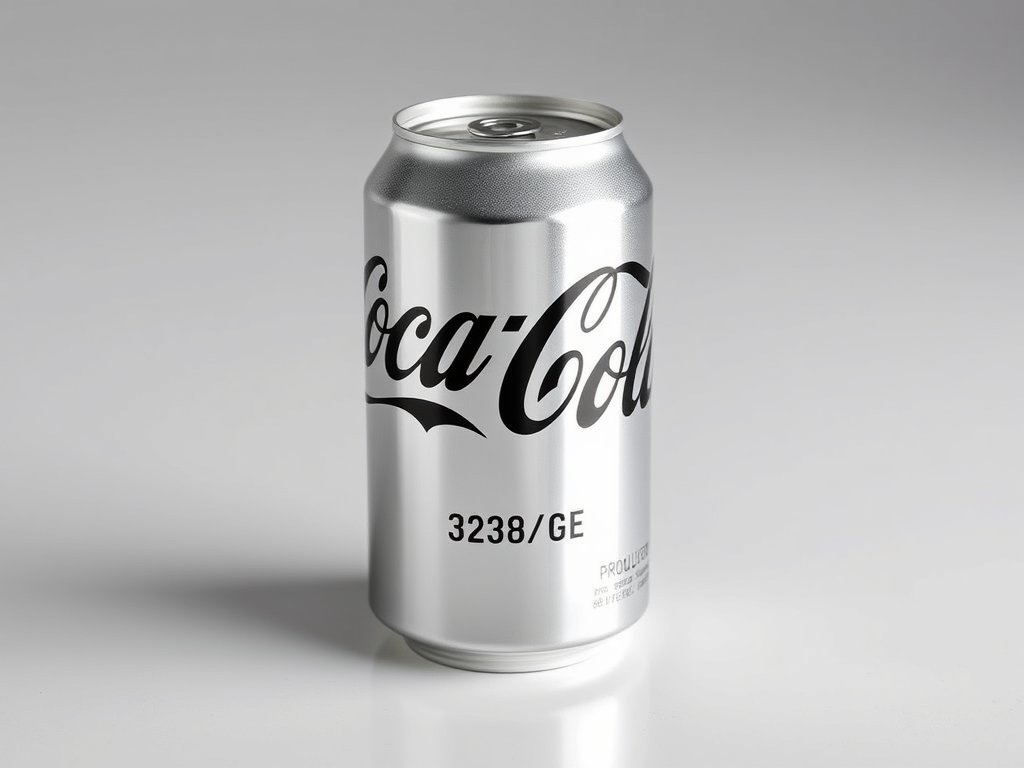
Why, then, was the USA untouched? The answer lies in production and distribution logistics. The Ghent facility serves Europe, and the contaminated batches were not shipped to the US, where Coca Cola operates separate plants under its global quality system, KORE. This system enforces rigorous standards, from raw material procurement to final delivery, minimizing the likelihood of similar issues stateside. A search of FDA records and news outlets, including a March 2025 Forbes report on an unrelated US recall involving plastic contamination, found no evidence of chlorate-related problems in American products.
Regulatory differences also played a role. The EU maintains strict chlorate residue limits, reflecting heightened sensitivity to its risks, while the US permits sodium chlorate in certain applications, such as pesticides, with the EPA deeming current levels safe as of 2020. This divergence likely influenced the decision to recall in Europe but not the US, where testing thresholds may differ. Coca Cola’s US operations, bolstered by advanced quality control technologies, further reduced the chance of undetected contamination.
The company’s response was swift and apologetic. “We take the safety and quality of our products extremely seriously,” Coca-Cola Europacific Partners stated, emphasizing collaboration with European authorities (BBC News, 2025). In the US, no action was needed, preserving consumer confidence. For European consumers, the recall was a reminder of vigilance, while the USA’s exemption highlighted the complexities of global supply chains.
This incident raises broader questions about consistency in food safety standards worldwide. Readers are encouraged to explore Coca Cola’s quality assurance processes and advocate for transparent safety protocols by engaging with local regulators or reviewing the company’s public commitments at Coca-Cola.com.
Sources



 Ashes on Air
Thank you for taking the time to share your thoughts. Your voice is important to us, and we truly value your input. Whether you have a question, a suggestion, or simply want to share your perspective, we’re excited to hear from you. Let’s keep the conversation going and work together to make a positive impact on our community. Looking forward to your comments!