
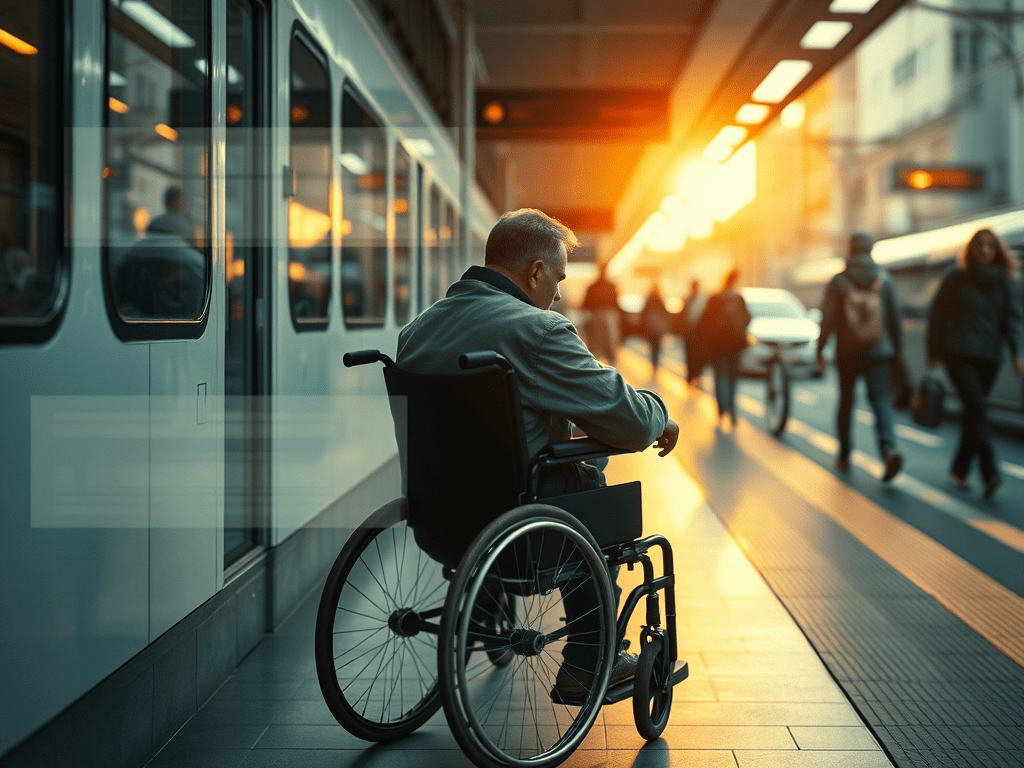
Accessible travel promises equity, but the hidden costs—both financial and emotional—can catch disabled travelers off guard, highlighting the need for transparency in travel planning. From unexpected fees to the mental toll of navigating inaccessible spaces, these costs often disproportionately affect those with disabilities, making advocacy for fair practices essential.
Financially, accessible travel can be expensive. Wheelchair users may face additional fees for accessible transportation—some taxi services charge up to 20% more for wheelchair-accessible vehicles, per a 2024 study by the National Council on Disability. Hotels often have limited accessible rooms, which can cost 15-30% more than standard rooms, especially during peak seasons. Medical equipment, like portable oxygen concentrators, requires extra planning—batteries must meet airline regulations, and replacements can cost $100-$300 if lost or damaged. Budgeting for these expenses is crucial, but transparency from travel providers is often lacking, leaving travelers to discover costs at the last minute.
Emotionally, the toll is just as significant. Constantly advocating for accommodations—like ensuring a hotel room has a roll-in shower—can be exhausting, especially when staff are untrained or dismissive. A 2023 survey by the Open Doors Organization found that 40% of disabled travelers experienced anxiety over inaccessible facilities, impacting their travel experience. Planning for the unexpected, such as carrying a portable ramp or extra medication, can mitigate some stress, but the burden shouldn’t fall solely on travelers. Travel providers must be transparent about accessibility features, fees, and staff training, ensuring disabled individuals can plan with confidence. Let’s advocate for a travel industry that prioritizes equity, reducing the hidden costs for all.
Sources:




 Ashes on Air
Thank you for taking the time to share your thoughts. Your voice is important to us, and we truly value your input. Whether you have a question, a suggestion, or simply want to share your perspective, we’re excited to hear from you. Let’s keep the conversation going and work together to make a positive impact on our community. Looking forward to your comments!